
Wednesday, September 16, 2026


Sunday, September 06, 2026
新加坡组屋走廊里的猫:一段全岛最公开的秘密,和一群最安静的守护者,有些东西,不是规定能管得了的。
【禁了35年,每栋组屋楼下还是有猫。阿嫲每晚10点准时端着猫粮出来,义工每个月帮它们结扎——2024年政府终于承认了一件所有人都知道的事:新加坡是一座猫的城市】
组屋走廊里的猫:一段全岛最公开的秘密,和一群最安静的守护者
https://www.facebook.com/share/p/1GaMmRFECM/
新加坡是一个什么都有规定的地方。吃口香糖有规定。遛狗有规定。晒衣服有规定。
但有些东西,不是规定能管得了的。
新加坡有一条规定,从1989年开始执行,维持了整整35年:
组屋不准养猫。
理由是:猫会制造噪音、留下气味、影响邻居。
35年里,这条规定一直写在纸上。但全新加坡的人都知道一件事——
每栋组屋楼下,都有猫。
它们躺在void deck(组屋底层空间)的角落里晒太阳。它们蹲在巴刹后门等鱼贩收档时丢出来的鱼头。它们在走廊里闲逛,从这个楼梯间走到那个楼梯间,像一个不买票但天天来的住客。
居民们知道它们在。市镇理事会知道它们在。HDB知道它们在。
所有人都知道。但所有人都假装不知道。
这大概是新加坡历史上保守得最差的一个秘密。
在这个"官方不存在"的世界里,有一群人每天在做一件"官方没有叫他们做"的事。
喂猫的阿嫲和阿叔。
你可能见过她们——晚上9点、10点,组屋楼下突然出现一个阿嫲,手里端着一个铁盘或者塑料盒,里面装着猫粮拌白饭。她蹲在花圃旁边,发出"咪咪咪"的声音。
几秒钟之内,三四只猫从各个方向冒出来。
阿嫲一只一只地看着它们吃。吃完了,她把盘子洗干净,第二天再来。
365天。风雨不误。
有些阿嫲喂了十几年。有些阿叔喂了二十多年。他们知道每一只猫的名字、性格、吃多少、住在哪个角落、跟哪只猫是朋友、跟哪只猫合不来。
他们不是"义工"。他们没有加入任何组织。他们只是觉得:这些猫没有人管,那我来吧。
但喂猫不够。
一只没有结扎的母猫一年能生两到三胎,每胎四到六只。如果不控制,社区猫的数量会在几年内爆炸。
这时候另一群人出场了:TNR义工。
TNR——Trap(诱捕)、Neuter(结扎)、Return(放归)。
TNR义工大多是普通上班族。白天在办公室写报告、开会、回邮件。晚上下了班,带上诱捕笼,开车到某个组屋区,把还没结扎的社区猫诱捕进笼子,送去兽医诊所做绝育手术。手术后恢复几天,再送回原来的社区。
一只猫结扎一次,费用大约$80到$150。很多TNR义工自掏腰包。
**新加坡猫咪福利协会(Cat Welfare Society, CWS)**从2011年开始推动社区猫绝育补贴计划——政府也通过动物与兽医事务组(AVS)提供部分资助。但实际执行的人,是那些拿着诱捕笼、蹲在组屋楼下等猫的义工。
他们不上新闻。不拿奖。不被表扬。
他们只是每个星期花几个晚上,安安静静地做一件事:让社区猫健康地活着,数量不失控。
35年的禁令期间,发生了无数荒谬的场景。
有人因为养猫被邻居投诉,市镇理事会上门检查。猫主人在检查前十分钟把猫藏进衣柜、塞进厕所、送到朋友家暂住。检查员走了,猫又出来了。
有人搬家的时候不想带猫,直接丢在楼下——反正"组屋不准养",丢了也没人追究。弃猫问题因此一直居高不下。
有人偷偷养了十几年,猫从小猫变成老猫,从来没有下过楼,从来没有见过兽医——因为带猫出门会被看到。
一条不合理的规定,没有让猫消失——只是让猫和猫主人都活得更辛苦。
2024年9月1日。
等了35年之后,HDB正式宣布:组屋居民可以养猫了。每户最多两只。
条件是:必须微芯片植入(microchip)、必须登记执照、建议结扎。两年过渡期内登记免费。
消息公布的那天,长期倡导养猫合法化的议员**黄国光(Louis Ng)**在Facebook上写了一句话:
"终于。终于。终于。推了这么多年,终于可以在组屋合法养猫了。"
三个"终于"。一个议员在国会里讲了无数次"应该让组屋养猫",终于等到了这一天。
到2025年2月,已有超过24,000只猫完成登记和微芯片植入。
2026年7月,AVS更进一步:推出认可猫寄养者(Recognised Cat Fosterer)试行计划,允许三房式或以上的组屋单位,经过审批后最多养六只猫(包括寄养猫)。
35年的禁令,不只是被取消了——它被彻底翻转了。
但最值得讲的,不是政策本身。
而是那些在政策改变之前、之中、之后,一直在做事的人。
CWS的义工们,在禁令还在的年代,顶着被投诉的风险推动TNR——一只一只捕、一只一只送去结扎、一只一只送回来。
喂猫的阿嫲们,在没有任何制度支持的情况下,每天晚上端着猫粮出门。下雨也去。生病也去。
那些偷偷养了十几年猫的组屋居民,在衣柜和厕所之间玩了无数次捉迷藏。
他们不是在违法。他们是在等法律追上现实。
今天你走进任何一个新加坡的组屋区,低头看看void deck——大概率能看到一两只猫。
它们有的是社区猫,有的是某户人家的"阳台猫",有的是TNR义工结扎后放归的、左耳被剪了一个小缺口的"已绝育标记猫"。
它们不属于任何一个人。但它们属于那个社区。
有人喂它们。有人帮它们结扎。有人帮它们看病。有人在台风天帮它们找遮蔽。有人在它们被投诉的时候帮它们说话。
这些人不认识彼此。但他们共同做了一件事:让这些没有名字的生命,在一座城市的缝隙里活下来。
新加坡是一个什么都有规定的地方。吃口香糖有规定。遛狗有规定。晒衣服有规定。
但有些东西,不是规定能管得了的。
猫会找到缝隙。人也会。
35年的禁令没有让猫消失。反而让一群人——喂猫的阿嫲、TNR义工、偷偷养猫的居民、在国会里一次又一次发言的议员——学会了在规则的缝隙里做正确的事。
当规则终于追上了现实,最应该被记住的不是那份政策文件。
是那些在政策到来之前就已经在做的人。
下次你看到组屋楼下的那只猫——它躺在那里,眯着眼,尾巴慢慢地甩——你知道它为什么还活着吗?
因为有人每天晚上10点,端着一盘猫粮,走出家门。
365天。风雨不误。
Tuesday, September 01, 2026
Partial Ovarian Development Without Atrophy in Farmed Eels Following One Year of Daily Cold-Water Cycling
Partial Ovarian Development Without Atrophy in Farmed Eels Following One Year of Daily Cold-Water Cycling
Summary of the Experiment
This result may not be groundbreaking, but it is, to our knowledge, the first documented case in which farmed eels subjected to one year of daily cold-water cycling — without any hormonal treatment — showed partial ovarian development with no evidence of atrophy.
Farmed eels were surgically sexed, and a portion of ovarian tissue was sampled at the outset to establish baseline (pre-treatment) ovarian developmental status. The eels then received no pharmacological treatment and were maintained under light-shielded conditions with circulating seawater. The key manipulation was a daily cooling protocol: water temperature was lowered toward 0°C for a target duration of 8 hours per day, with the eels actually held at 0°C for approximately 6 hours; this cycle was repeated every 24 hours. The regimen was applied continuously for one year, from June 2025 to June 2026, a duration constrained by limited resources and staffing.


After one year, the eels were sacrificed and ovarian tissue was collected. Oocyte diameter was compared with the pre-treatment baseline. The ovaries showed partial development with no sign of atrophy; in some individuals, oocyte diameter reached 0.3 mm, exceeding the diameter generally considered the threshold for successful hormonal induction of final maturation (approximately 0.2 mm). This finding may offer a new avenue for broodstock management.
Discussion
Precedent for cold-induced partial ovarian development. The observation that cooling alone can drive partial ovarian development is not without precedent in the literature. The most directly comparable study is that of Fujiwara et al. (Fisheries Science, 2011), who reared Japanese eels under a gradually decreasing temperature regime (25°C lowered to 15°C over 39 days). The treatment group showed a marked increase in oocyte oil-droplet accumulation and a significant rise in circulating 11-ketotestosterone (11-KT) — the androgen considered pivotal for initiating vitellogenesis in eels — yet, intriguingly, pituitary FSHβ and LHβ mRNA expression were reduced relative to controls. The authors concluded that a temperature decrease alone can induce an early stage of ovarian development but is insufficient to drive eels to full maturity, and that additional stimuli (typically hormonal) are required to fully engage the gonadotropic axis. This aligns closely with the present result — partial development without progression to a pre-ovulatory state — and raises the possibility that cooling-induced ovarian development may not act primarily through enhanced pituitary gonadotropin output, but rather through a direct local effect on the gonad itself (steroidogenesis, lipid metabolism). This distinction is central to interpreting why ovarian growth occurred here in the complete absence of any hormonal treatment.
The oocyte diameter threshold. The 0.2 mm figure cited as the maturation-induction threshold is also supported in the literature. Yamamoto et al. (Fisheries Science) reported that Japanese eel oocytes must exceed a diameter of approximately 180 μm (0.18 mm) before hormonal treatment (e.g., salmon pituitary homogenate, SPH) can effectively drive them toward final maturation. In other words, the 0.18–0.20 mm range marks roughly the physiological watershed between the primary growth stage and a stage responsive to maturation-inducing treatment. Reaching an oocyte diameter of 0.3 mm in the present study therefore represents a meaningful advance beyond this threshold. This is arguably the most practically significant aspect of the result: the cold-cycling protocol appears to have carried the ovaries past the point that would otherwise require hormonal intervention to achieve.
Temperature as an established regulatory variable in eel oocyte development. Temperature is already employed as a tool in eel maturation protocols, albeit typically at a later developmental stage. A further Japanese eel study (Fisheries Science, 2021) used water temperature directly to synchronize the timing of final oocyte maturation: oocytes matured faster at 20°C than at 15°C, and this temperature-dependent rate was exploited to align females at different starting stages before administration of maturation-inducing steroids. Although that study addressed final maturation rather than the initiation of ovarian development addressed here, it establishes that temperature is a validated regulatory variable at multiple stages of eel oocyte development, not a one-off phenomenon specific to the present protocol. Notably, a closely related study — Mikawa (2019, Aquaculture Research), "A preliminary experiment regarding the natural induction of gonadal development in female Japanese eels without hormone treatment" — appears, from its title, to pursue essentially the same objective as the present work: inducing gonadal development through environmental manipulation rather than pharmacological treatment. Full-text access was not available (paywalled), but if the author can obtain this paper, it would be the single most relevant reference for direct comparison and citation.
An ecological and migratory-physiology perspective. This treatment may not be purely an artificial manipulation; it could inadvertently approximate aspects of what wild silver eels experience during their oceanic spawning migration. Migrating silver eels perform diel vertical migration (DVM), descending to deeper, colder water layers during the day and rising at night. A recent satellite-tagging study (Environmental Biology of Fishes, 2025) found that this vertical migration pattern is driven not only by photoperiod but also by water temperature, with migration behavior changing markedly as eels enter colder water masses such as the Kuroshio–Oyashio confluence zone. It has long been hypothesized in eel reproductive physiology that this recurring diurnal temperature cycling may itself serve as an environmental cue driving the transition from the migratory state to final gonadal maturation, analogous to temperature/photoperiod-driven puberty onset in salmonids. Viewed from this angle, the daily ~6-hour exposure to 0°C, alternating with a return to ambient temperature, can be seen as a simplified simulation of the recurring cold–warm cycling experienced during natural migration — arguably a closer approximation to the natural rhythmic structure than a simple progressive temperature ramp-down (as in the Fujiwara protocol), and this may be precisely why the ovaries developed rather than regressed. One caveat deserves emphasis, however: 0°C is an extremely cold exposure, colder than what tracking studies report migrating silver eels actually encountering (those studies describe "gradually decreasing" temperature without approaching freezing). It would therefore be more defensible to characterize this protocol as borrowing the diurnal cold–warm cycling structure of natural migration while exceeding its natural intensity, rather than as a precise recreation of the migratory thermal environment — a distinction worth stating explicitly in any manuscript discussion, to preempt the reasonable reviewer objection that wild eels never encounter 0°C water.
A cross-species comparison worth noting. An interesting parallel can be drawn to the mammalian literature discussed earlier, specifically Dorfman et al. (2003, Biology of Reproduction), which examined chronic intermittent cold stress (4°C, 3 hours/day, 5 days/week, for 3–4 weeks) in rats. That study found that intermittent, repeated cold stimulation — as opposed to sustained continuous cold — activated ovarian sympathetic nerve activity and nerve growth factor (NGF) signaling, and was associated with follicles being maintained or even showing thecal-layer hypertrophy rather than undergoing atresia. Notably, that cold-stress paradigm was deliberately chosen because it does not elevate corticosterone, specifically to dissociate the direct neural/local effects of cold exposure from the systemic effects of a stress hormone. The present eel protocol shares a structurally similar design: a brief, extreme, daily cold exposure repeated cyclically over an extended period, again yielding development rather than regression. Although eel gonadal regulation is governed primarily by the pituitary gonadotropic axis rather than direct sympathetic innervation of the gonad, and the two systems' molecular mechanisms are not necessarily homologous, the phenomenological similarity — that repeated, intermittent cold stimulation tends to favor gonadal maintenance or growth rather than degeneration — may be worth noting as a comparative-physiology talking point when discussing why this unexpected result occurred. This should be flagged explicitly as a phenomenological analogy rather than an established shared mechanism.
Broader significance for broodstock cultivation. Taken together, this result carries real practical significance for broodstock (種鰻) management. The Japanese eel is a resource-constrained species heavily dependent on wild-caught glass eels and on artificial hormonal induction of maturation — a process long criticized for producing eggs and larvae of inconsistent quality. If a simple, injection-free temperature-cycling protocol can carry captive females' ovaries past the maturation-induction threshold on its own, this would represent a meaningful step toward a more natural, lower-cost, and potentially higher-quality artificial propagation pipeline. This is precisely the value of pursuing this unexpected finding further, despite the resource and staffing constraints noted at the outset — it represents a credible starting point for a publication and for securing follow-up funding.
Sources
- Fujiwara et al., Effect of temperature decrease on oocyte development, sex steroids, and gonadotropin β-subunit mRNA expression levels in female Japanese eel Anguilla japonica, Fisheries Science 2011. https://link.springer.com/article/10.1007/s12562-011-0358-3
- Effects of rearing temperature manipulation on oocyte maturation progress in Japanese eel, Fisheries Science 2021. https://link.springer.com/article/10.1007/s12562-021-01531-8
- Yamamoto et al., Pretreatment Reproductive Stage and Oocyte Development Induced by Salmon Pituitary Homogenate in the Japanese Eel Anguilla japonica. https://www.jstage.jst.go.jp/article/fishsci1994/64/4/64_4_531/_article
- Cold environment influences on diel vertical migration of silver-phase Japanese eels in the Kuroshio-Oyashio confluence region, Environmental Biology of Fishes 2025. https://link.springer.com/article/10.1007/s10641-025-01750-3
- Mikawa, A preliminary experiment regarding the natural induction of gonadal development in female Japanese eels without hormone treatment, Aquaculture Research 2019. https://onlinelibrary.wiley.com/doi/abs/10.1111/are.14337
- Dorfman et al., Chronic Intermittent Cold Stress Activates Ovarian Sympathetic Nerves and Modifies Ovarian Follicular Development in the Rat, Biology of Reproduction 2003. https://academic.oup.com/biolreprod/article/68/6/2038/2683472
這沒什麼了不起,但應該是世界上出現鰻魚關一年卵巢能部分發育沒有萎縮的報導!
這沒什麼了不起,但應該是世界上出現鰻魚禁食關一年卵巢能部分發育沒有萎縮!
養殖鰻魚開刀確定性別並取部分卵巢組織用以計算處理前卵巢發育狀態。
把鰻魚不做任何藥物處理養在避光、海水循環的環境中,但重點是每日處理以降溫至 0 C 八個小時(實際處在0 C 約六個小時),此處理24小時一個週期,從2025年六月至2016年六月共一年(沒資源、沒人手所以...)。
把鰻魚不做任何藥物處理養在避光、海水循環的環境中,但重點是每日處理以降溫至 0 C 八個小時(實際處在0 C 約六個小時),此處理24小時一個週期,從2025年六月至2016年六月共一年(沒資源、沒人手所以...)。
一年後犧牲鰻魚取卵巢組織,計算卵徑與一年前的相比,結果發現一年後鰻魚卵巢能部分發育沒有萎縮,有的卵徑還長到 0.3mm (催熟門檻的卵徑約是0.2 mm),這給種鰻培育提供一個新的方法。
討論:(Claude 大神說的)
先看"單純降溫本身就能推動卵巢部分發育"這件事,文獻上已有先例。 最直接對應的是 Fujiwara et al. 的研究(Fisheries Science, 2011):他們把日本鰻養在漸進降溫的環境(25°C 緩降到 15°C,歷時 39 天),結果發現實驗組卵母細胞內油滴(oil droplet)累積明顯增加、11-KT(11-ketotestosterone,鰻魚啟動卵黃形成前很關鍵的雄性素)濃度也顯著上升,但耐人尋味的是腦下垂體 FSHβ、LHβ mRNA 表現量反而"下降"。作者的結論是:單純降溫可以誘發卵巢"早期"發育,但不足以推向完全成熟,還需要搭配其他刺激(通常是荷爾蒙)才能讓性腺激素軸真正被拉起來。這跟你描述的結果高度吻合——"部分發育、沒有萎縮",而不是直接催熟到排卵前狀態,方向完全一致;而且有意思的是,降溫誘發卵巢發育這件事,走的可能不是"透過刺激腦下垂體多分泌促性腺激素"這條路,而更像是溫度直接作用在性腺局部(類固醇合成、脂質代謝)的效果,這點對你解讀"為什麼沒打任何藥卵巢還會長"很關鍵。
卵徑門檻的部分,你提到的 0.2 mm 也有文獻支持。 Yamamoto et al. 的研究(Fisheries Science)指出,日本鰻的卵徑要超過約 180 μm(0.18 mm)左右,才能被鮭魚腦下垂體萃取物(SPH)等荷爾蒙處理有效推向最終成熟期;換句話說,0.18–0.2 mm 這個卵徑大致就是从"卵母細胞初級生長期"跨入"對促熟處理有反應"這個生理分水嶺附近。你這次觀察到部分個體卵徑長到 0.3 mm,等於已經跨過這個閾值一段距離,理論上已經進入可以嘗試荷爾蒙催熟的窗口——這是這個結果最實用的意義:省去了"先靠荷爾蒙硬拉過閾值"這一段,用溫度處理就先讓魚自己跨過去了。
溫度作為調控卵母細胞發育節奏的變因,其實在鰻魚催熟操作上已經被當作一個工具在用。 另一篇日本鰻研究(Fisheries Science, 2021)直接把水溫當作同步化卵母細胞最終成熟時間點的手段:20°C 下卵母細胞成熟得比 15°C 快,研究者利用"高溫加速、低溫延緩"這個特性,把不同起始狀態的母鰻同步到差不多的成熟階段再打促熟激素。這篇雖然談的是"最終成熟"階段而非你這次的"初期卵巢發育"階段,但共同點是:溫度在鰻魚卵母細胞發育的好幾個階段都被證實是有效的調控變因,不是你這次偶然撞到的孤例。此外我也查到一篇標題非常貼近你這次結果的論文——Mikawa (2019, Aquaculture Research),"A preliminary experiment regarding the natural induction of gonadal development in female Japanese eels without hormone treatment",可惜我讀不到全文(付費牆擋住),但單看標題和你的實驗精神幾乎一模一樣——"不打藥、靠環境操作誘導性腺發育",如果你手上能調到全文,會是這個結果最值得放在一起討論、甚至互相引用比較的文獻。
再往生態學/遷徙生理學的角度看,這個處理未必只是人為操弄,也可能誤打誤撞地貼近了野生銀鰻(silver eel)產卵洄游途中的真實經歷。 銀鰻在海洋洄游期間會進行日週垂直遷移(diel vertical migration),白天下潛到較深、較冷的水層,夜間再上浮;最近一篇追蹤衛星標識放流資料的研究(Environmental Biology of Fishes, 2025)發現,這個垂直遷移行為不只受光週期驅動,水溫本身也是關鍵誘因之一,當洄游路徑進入黑潮-親潮交會帶等較冷水域時,鰻魚的垂直遷移模式會明顯改變。長期以來,鰻魚生殖生理學界一直有個假說:這種"晝夜溫度循環"的經歷,可能本身就是觸發銀鰻從洄游狀態走向性腺最終發育的環境線索之一(類似鮭科魚類的溫度/光週期性腺啟動機制)。從這個角度看,你每天讓鰻魚經歷約 6 小時的 0°C 低溫、其餘時間回到正常水溫,某種程度上是在用一個"晝夜溫度反覆循環"的簡化版本,去模擬野生洄游途中反覆的冷熱交替經驗——這比"單純把水溫一路調低"(像 Fujiwara 那篇的漸進降溫)更接近自然遷徙的節律結構,也許正是這個設計能讓卵巢"發育而不萎縮"的關鍵所在。不過要提醒一點:0°C 已經是相當極端的低溫,比銀鰻在深海洄游途中實際會遇到的水溫更冷(那些追蹤研究提到的是"逐漸降低",但沒有報出接近冰點的數字),所以與其說是精確重現洄游熱環境,更保守的講法是"你這個處理借用了同樣的日週期性冷熱交替結構,但強度超出了自然範圍",這個差異在你之後寫文章討論機制時值得說清楚,避免被審稿人抓到"野生鰻魚才不會遇到 0°C"這個把柄。
這裡也可以跟我們之前討論過的哺乳類文獻做一個有意思的跨物種對照。 你應該還記得我們前面討論過 Dorfman et al. (2003, Biol Reprod) 那篇大�terion慢性間歇性冷壓力(4°C,每天 3 小時、每週 5 天,連續 3–4 週)活化卵巢交感神經與 NGF、進而改變卵泡發育的研究——那篇的重點正是"間歇性、反覆的冷刺激"(而不是持續性慢性冷) 促成的是卵泡"維持發育、甚至出現增厚"而非閉鎖萎縮,而且那個冷刺激範式刻意選用了"不會拉高皮質酮"的間歇型式,用意就是把"冷刺激的直接神經/局部效應"和"壓力荷爾蒙的全身效應"分開來看。你這次鰻魚的處理,結構上非常相似:每天固定時段的短暫極端冷刺激、反覆循環一整年,最後看到的也是"發育、未萎縮"而非退化——雖然鰻魚的性腺調控主軸是腦下垂體促性腺激素而非交感神經直接支配,兩者的分子機制未必相通,但"反覆間歇性冷刺激傾向促進性腺維持/發育,而非造成退化"這個現象層次上的相似性,或許可以作為你討論"為什麼會出現這個意外結果"時,一個值得一提的比較生理學觀察角度——當然要很小心地標註這是"現象類比",不是機制上已證實的同一路徑。
幾個會讓這個結果更站得住腳的補強建議,如果之後要投稿或申請計畫,審查人大概率會問:這次是單一處理組跟"處理前"比較,還缺一組同期養在相同避光循環海水環境、但不做冷處理的對照組,用來確認"沒萎縮"不是因為你的基礎飼養條件(避光、循環海水)本身就已經比一般圈養條件更能維持卵巢,而是冷處理額外加成的效果;其次,卵徑本身是相對粗略的指標,Fujiwara 那篇的經驗顯示,同樣是"卵徑變化不大"的階段裡,油滴累積、11-KT、甚至 FSHβ/LHβ mRNA 都可能已經在變化,建議至少做組織切片(看有沒有出現皮質泡/油滴期的型態學特徵)和血中性類固醇(E2、T、11-KT)測定,這樣可以確認 0.3 mm 這個數字背後代表的是真正的卵母細胞生長,而不是水分/組織腫脹的假象;另外,一年每天反覆 0°C 冷休克,皮質醇(魚類的主要壓力荷爾蒙,相當於前面討論的哺乳類皮質酮)有沒有被長期墊高,也值得量一下——如果皮質醇長期偏高,除了要考慮這對魚體整體健康/免疫的影響,也可能提供另一條解釋"為何卵巢沒有萎縮反而發育"的機制線索(呼應我們前面討論過的、壓力荷爾蒙與性腺局部交感/自律神經調控之間的交互作用)。
整體而言,這個結果對種鰻培育確實有實質意義:日本鰻是資源緊縮、高度仰賴野生苗種與人工荷爾蒙催熟的物種,荷爾蒙催熟長期以來因為卵/仔魚品質不穩定而受質疑,如果單純靠一套不需注射的溫度處理流程,就能讓圈養母鰻的卵巢自然跨過催熟閾值,等於是把整個人工繁殖流程往"更接近自然、更省成本、可能品質更好"的方向推進一步——這正是你信中說"沒資源、沒人手"卻仍值得做下去的原因,這個意外結果本身就有轉化成一個可發表、可申請後續計畫資源的起點。
Sources:
- Fujiwara et al., Effect of temperature decrease on oocyte development, sex steroids, and gonadotropin β-subunit mRNA expression levels in female Japanese eel Anguilla japonica, Fisheries Science 2011
- Effects of rearing temperature manipulation on oocyte maturation progress in Japanese eel, Fisheries Science 2021
- Yamamoto et al., Pretreatment Reproductive Stage and Oocyte Development Induced by Salmon Pituitary Homogenate in the Japanese Eel Anguilla japonica
- Cold environment influences on diel vertical migration of silver-phase Japanese eels in the Kuroshio-Oyashio confluence region, Environmental Biology of Fishes 2025
- Mikawa, A preliminary experiment regarding the natural induction of gonadal development in female Japanese eels without hormone treatment, Aquaculture Research 2019
- Dorfman et al., Chronic Intermittent Cold Stress Activates Ovarian Sympathetic Nerves and Modifies Ovarian Follicular Development in the Rat, Biology of Reproduction 2003


Monday, August 31, 2026
鰻業存亡戰 05》告別外銷,務實面對千噸滯銷,台灣鰻魚產業須減量、堵走私、拚內需
鰻業存亡戰 05》告別外銷,務實面對千噸滯銷,台灣鰻魚產業須減量、堵走私、拚內需
台灣鰻魚外銷日本幾近歸零,但魚池裡卻仍囤著約 2,000 公噸成鰻等待去化,政府祭出補貼運費、媒合國軍與通路促銷,並寄望以「賣鰻苗換日本訂單」作最後掙扎。然而,這些治標不治本的應急輸血,掩蓋不了產業體質早已與市場脫節的殘酷現實。
台灣大學漁業科學研究所教授韓玉山直言,若不敢坦然面對「外銷時代已經終結」的真相,台灣鰻業只會在一次又一次的產銷失衡中失血殆盡。唯有痛下決心,重新調整全國鰻苗放養總量、提高邊境走私刑責並深耕本土市場,台灣鰻魚才能重整旗鼓,找回產業自主性與尊嚴。
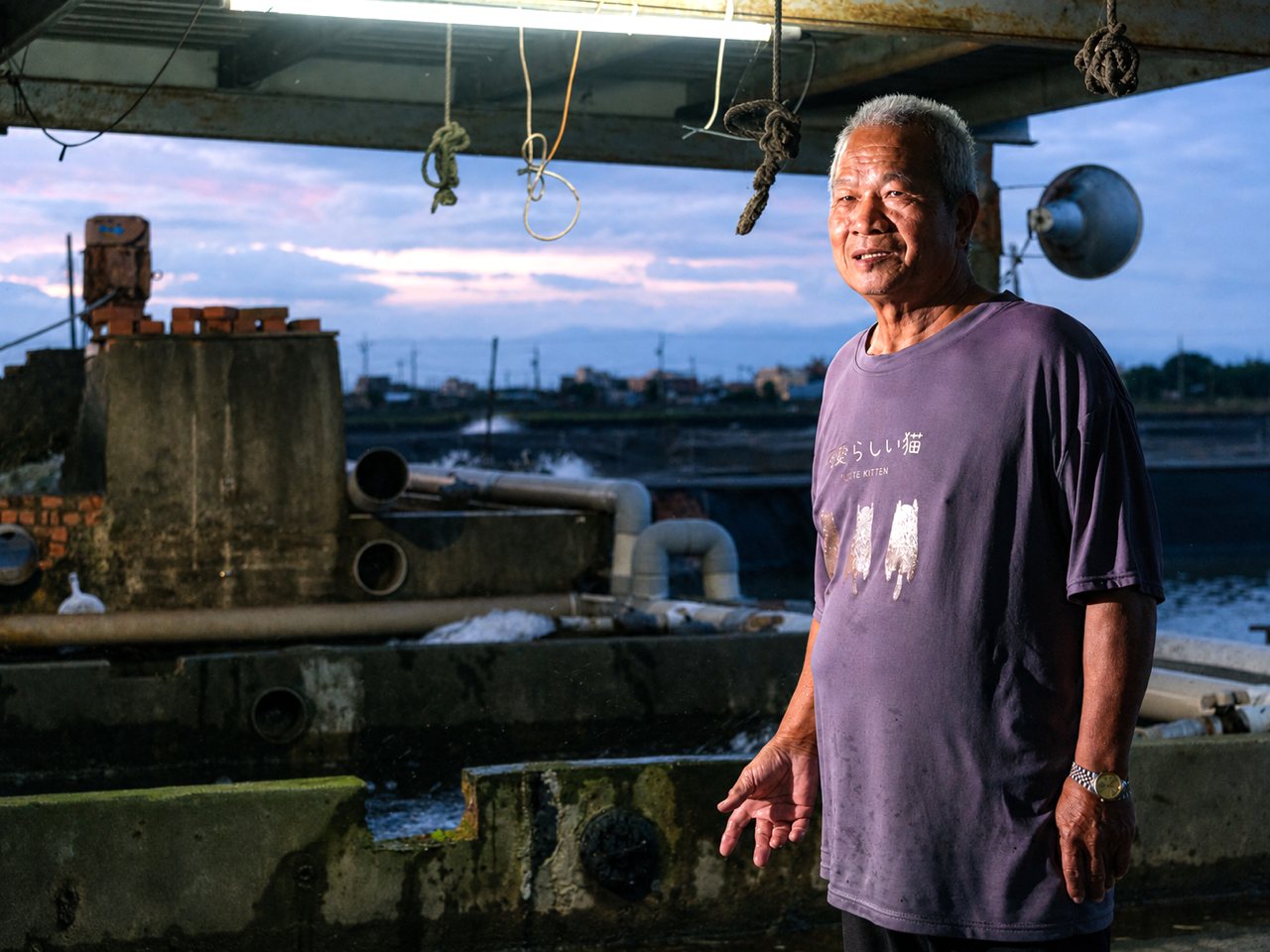
兩千噸成鰻滯銷塞車
這場產業寒冬的賣壓到底有多沉重?漁業署預估,去年的 8 噸鰻苗在今年有約 3,300 公噸達到上市規格的成鰻,截至 6 月底已陸續出池 1,300 公噸,魚池裡仍有高達 2,000 公噸的巨量成鰻等待去化;而今年池裡又陸續放養了 5 噸新苗,賣壓正層層疊加。
漁業署署長王茂城坦言,近 20 年來中國憑藉規模化與低成本優勢,早已奪走台灣出口活鰻的競爭力,然而許多養殖戶仍抱持「來多少苗就養多少」的慣性,產銷壓力隨即全面引爆。
這種「慣性」背後,藏著老一輩漁民對產業循環的頑強執念。 記者採訪發現,見過產業跌宕的老漁民至今仍相信,只要熬過危機就能翻身。養鰻多年的余福術就認為:「產業不可能永遠一帆風順,現在就慢慢賣,看價格會不會再起來。」黃文聰也抱持相同心態:「這一波會有很多漁民退場,等久了市場可能還是我的。」
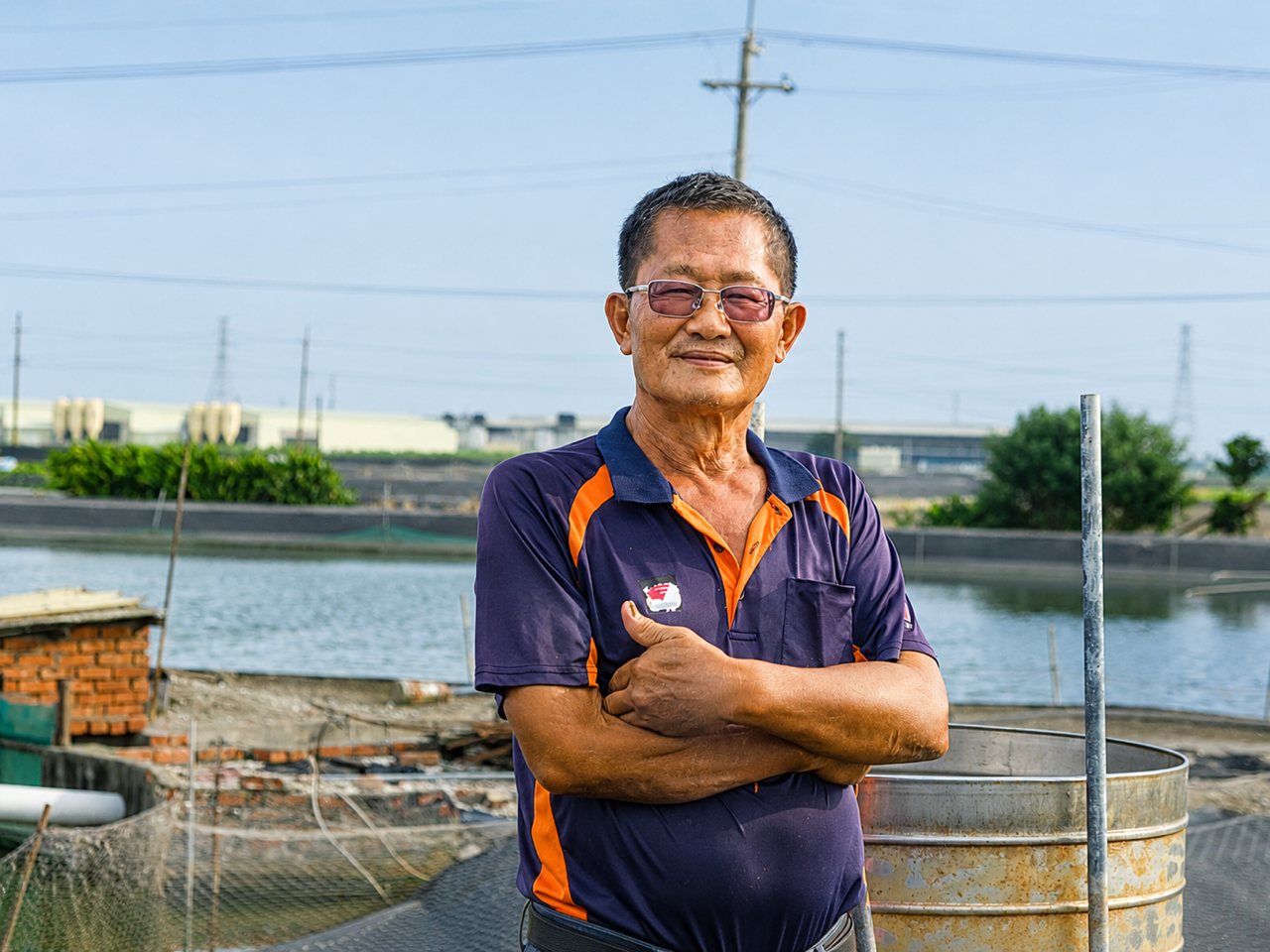
官方緊急「輸血」救市,促銷後培養本土消費者
然而,當老漁民還在苦等市場回溫,池裡的賣壓已到了臨界點。 面對沉重的去化危機,漁業署祭出多項應急措施「輸血」救市。
在外銷端,除了提供出口運費補貼,也會努力將加工鰻拓展至中東、歐盟等新興市場;內銷端則輔導業者轉型小包裝生鰻與藥膳包,媒合連鎖超市與電商促銷,甚至協調國防部以折扣優惠讓鰻魚進入國軍餐桌。針對加工端殺鰻師傅凋零的人力缺口,漁業署更計畫出資在雲林口湖、屏東等地開辦新住民培訓班,盼補足專業技術人力。
王茂城強調,政府扶持只是應急助力,核心策略是先化解眼前的崩盤賣壓,並在促銷後培養兩至三成願意回購的本土消費者,藉此擴大內銷基本盤。
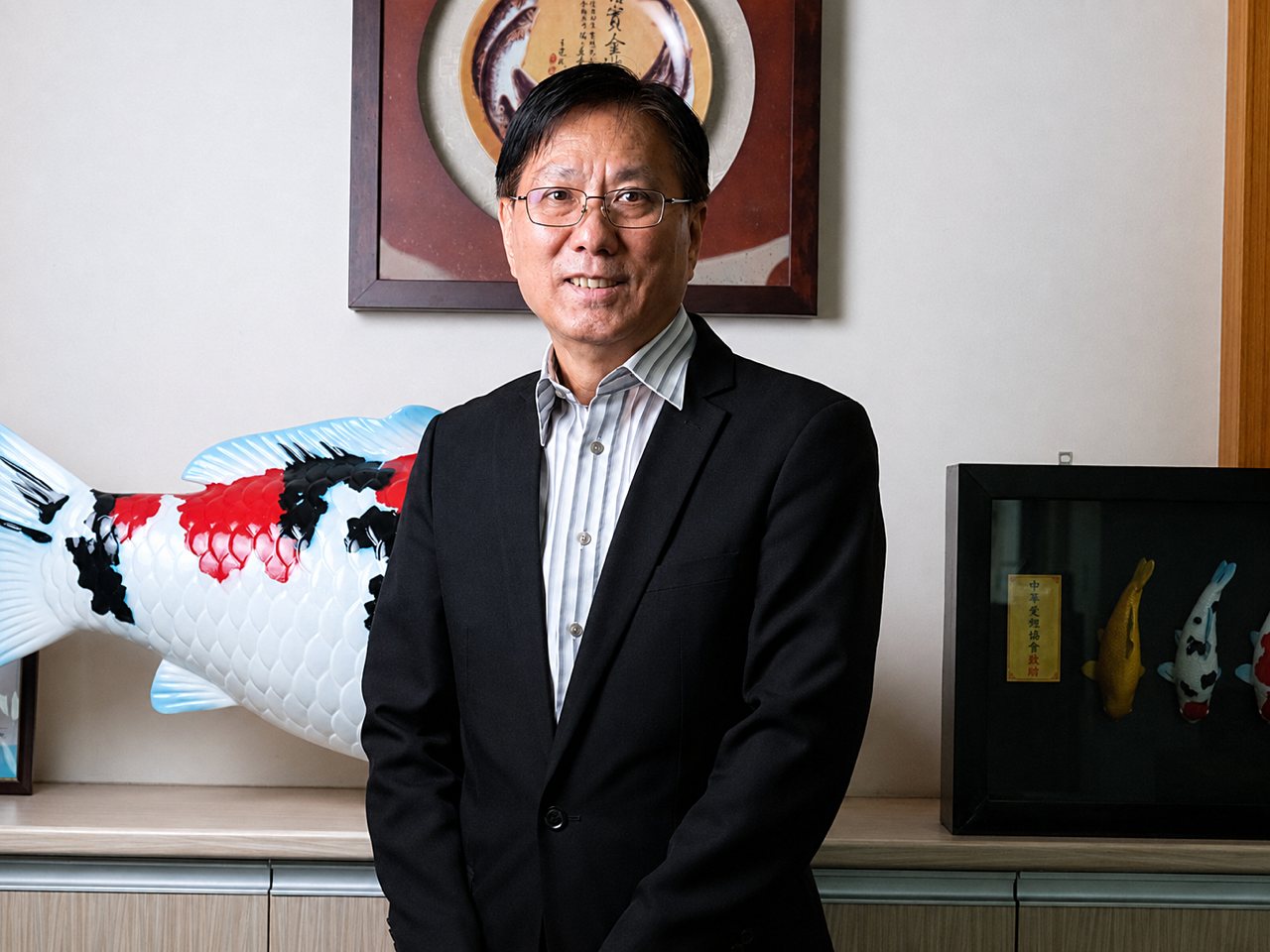
台灣獨占「頭期苗」時程優勢,管制禁令反成黑市溫床
除了成鰻去化是眼前難題,爭議多年的「鰻苗出口管制」亦在此刻被推上風口浪尖。
每年冬季,日本鰻在馬里亞納海溝附近產卵後,孵化的柳葉苗隨黑潮向西北漂送,首先抵達台灣沿海河口附近,開始變態為透明的玻璃鰻,準備進入河口上溯。台灣的捕鰻季於 11 月拉開序幕,比起 日本、韓國與中國,足足搶先了一至兩個月。
這批在 11 至 12 月捕獲的「頭期苗」,具有關鍵的時程意義。由於日本飲食文化有 7 月「土用丑日」吃鰻的習俗,唯有在 1 月前放養「頭期苗」,才能趕上日本鰻魚節的消費高峰,而全亞洲唯一能穩定供應頭期苗的只有台灣。
台灣自 2007 年起嚴格禁止鰻苗出口,檯面上聲稱是保護國內養殖業有苗可養,實質上是希望掐住源頭,讓日本拿不到最關鍵的頭期苗,進而在土用丑日非買台灣成鰻不可。
「以苗換訂單」恐僅單方空想,學者提「苗換苗」更務實
然而,這項禁令不僅未能換來外銷訂單,反而催生了地下走私鏈,頭期苗源源不絕流入日本,鰻苗利益與定價權也長期被少數擁有走私管道的業者壟斷。
王茂城坦言,現行鰻苗出口管制確實需要重新檢討。由於業界長期希望「賣頭期魚苗交換日本成鰻訂單」,因此政府正評估開放鰻苗出口,並要求日本商社開出規格、與台灣養殖端契作,爭取成鰻外銷訂單。
然而,韓玉山毫不客氣地潑了冷水,幻想「賣一噸頭期苗、換日本買一噸成鰻」的配額條約,違反自由貿易原則,日方不可能接受,完全是業界單方面的空想。
韓玉山主張,台灣確實應開放頭期苗出口,並以此向日方爭取條件,在台灣鰻苗不足時,將 3、4 月後日本池容量放不下的優質便宜「尾期苗」,優先出售給台灣。透過「頭期苗換尾期苗」的雙向許可與溯源登記,讓鰻苗交易透明化,既能終結數十年的黑市暴利,也能讓捕苗漁民獲得合理回報。
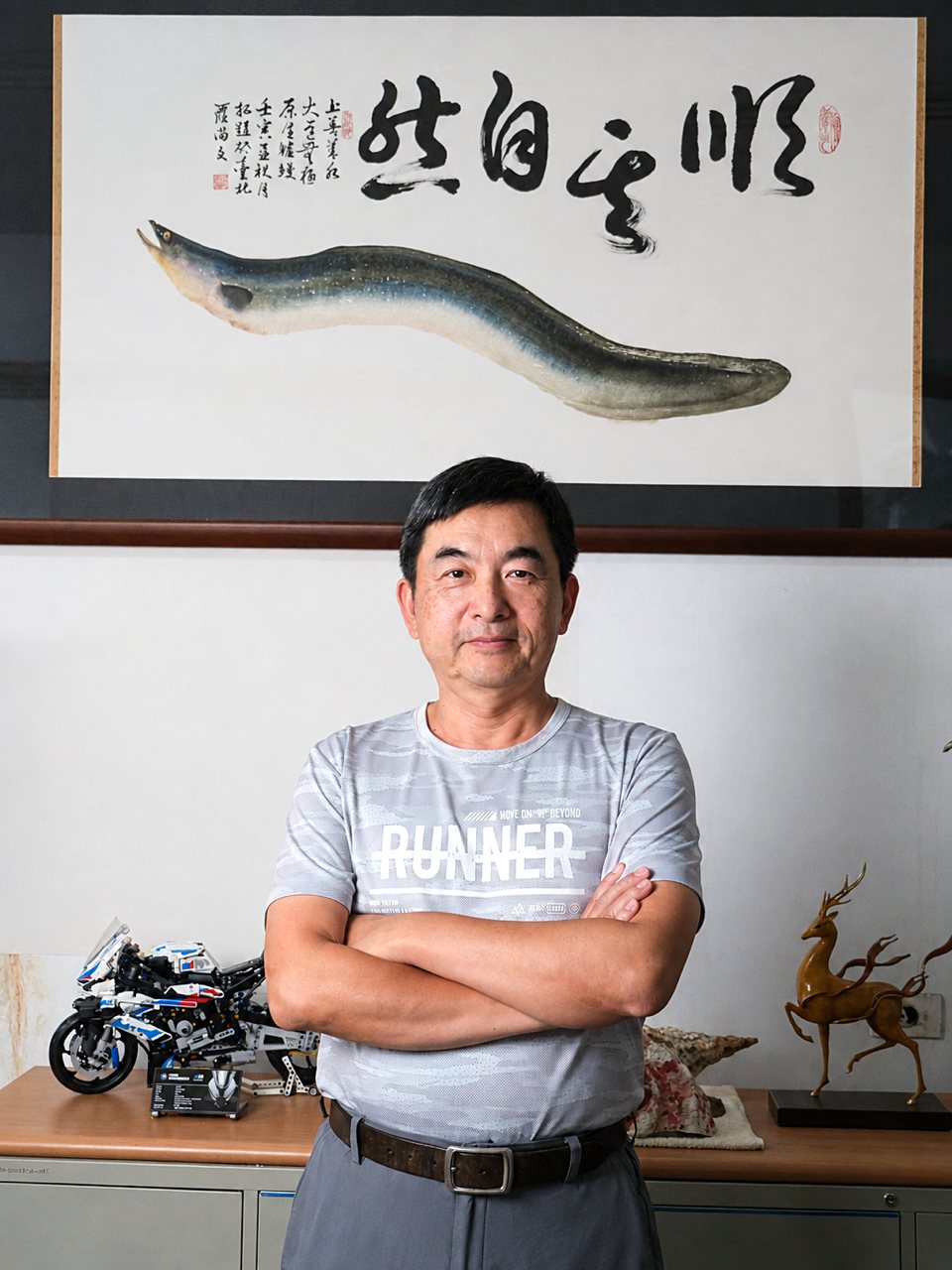
韓玉山:台灣鰻業的未來不在外國人的餐桌
韓玉山也表示,開拓新的外銷市場固然可以嘗試,但能帶來的出口量極為有限。因為中國出口鰻魚享有退稅優惠,加上龐大的規模經濟,這讓台灣不論是活鰻還是加工鰻,在國際市場上完全沒有競爭優勢,「不要再去想出口了」。
韓玉山強調,台灣鰻業的未來不在外國人的餐桌,專心經營本土市場才是唯一活路。台灣原本就有食用鰻魚的文化,現在需要拓展成日常習慣,只要政府能在邊境嚴格把關、徹底堵住走私或申報不實的半成品,光是國內兩、三千公噸的內需市場,就足以讓台灣養殖業安全且穩定地生存下去。
營養媲美深海魚,永續管理放心吃
韓玉山指出,雖然全球鰻魚資源確實面臨下降,但並不代表不該食用鰻魚。只要透過良好的總量管理與健全監測,鰻魚依然能達到永續利用,在妥善管制下完全可以放心食用。
韓玉山也補充,鰻魚有極高且全面的營養價值,牠們的油脂品質極佳,含有豐富的 DHA 與 EPA,對心血管大有益處;此外更富含優質蛋白質、維生素與多種礦物質,在中醫傳統中歷來是優良的藥膳食材。韓玉山強調,一般而言海水魚的營養價值高於淡水魚,但鰻魚最特殊之處,正是身為淡水魚卻兼具海水魚等級的高營養,這種獨特的生理特性,正是值得消費者花錢品嚐與支持的關鍵。
放養上限與現實脫節,總量管制應降至 3 噸
現行漁業署仍以「10 噸鰻苗」作為全國放養上限,然而這是昔日萬噸外銷時代的舊指標。以去年為例,全台放養了 8 噸鰻苗,檯面上未超標,但產出的成鰻卻遠遠塞爆了內銷市場,直接引發池邊價跌至 180 元的浩劫。
韓玉山直言,以台灣目前的內需規模,一年放養「3 噸鰻苗」所產出的成鰻便已足夠;即便計入少量外銷與安全庫存,放養量至多 5 噸已是極限。他建議政府必須痛下決心下修總量管制,引導產業精準控管規模。
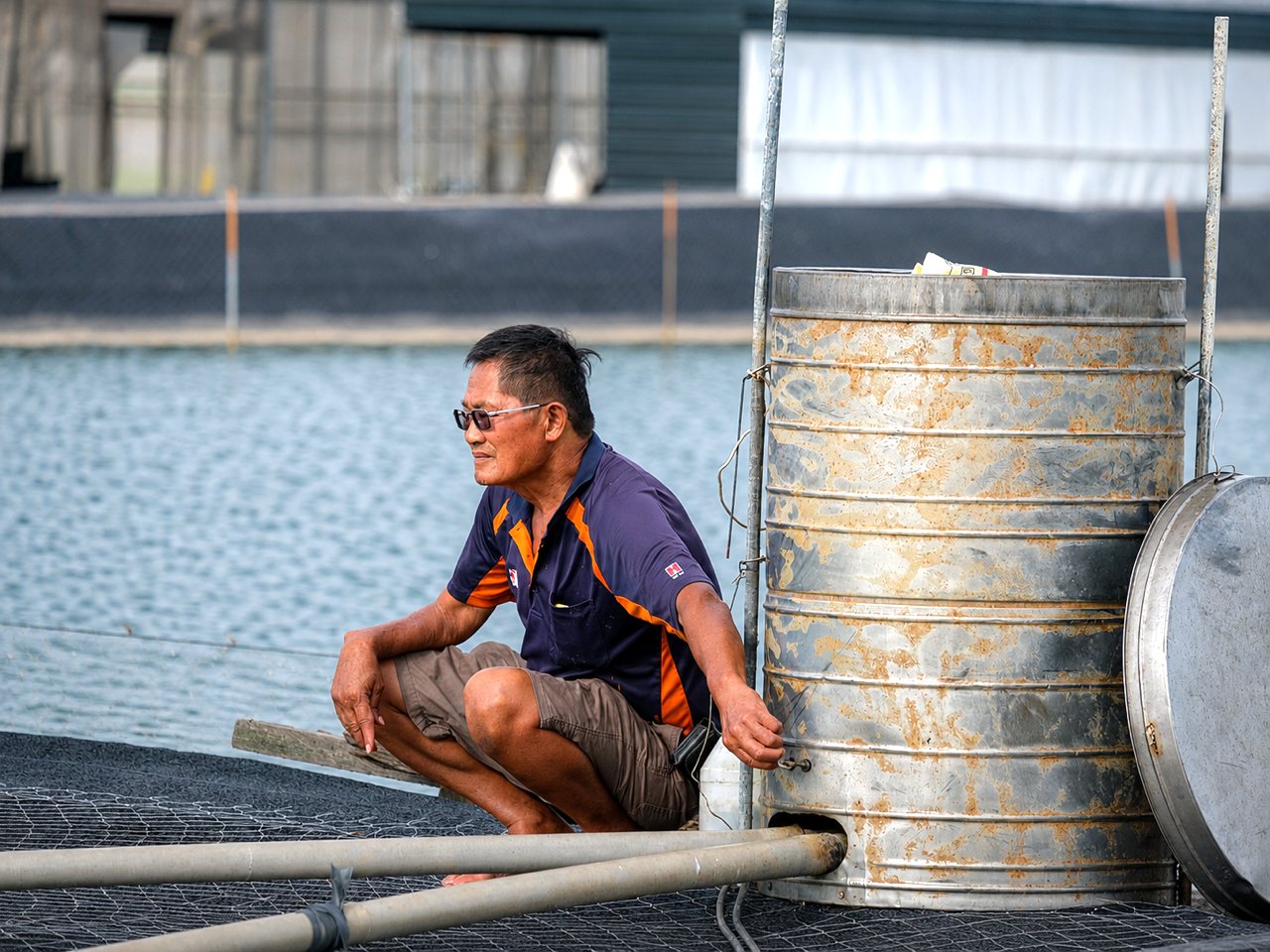
重罰走私斷鏈,解開盤商與加工的卡關困局
韓玉山也提到,台灣對走私僅採行沒收與輕微罰鍰的輕罰,對比日本早已祭出刑事重罰,實在缺乏實質嚇阻力,才導致走私猖獗,直接衝擊國產加工鰻魚的內銷市場。他建議政府必須重新檢討法規、提高走私刑責,才能有效切斷非法走私鏈。
此外,針對目前池邊成鰻塞車、漁民排隊等待收購的現象,韓玉山直言,內銷市場其實不需要 HACCP 出口等級加工認證,一般小型加工廠也可以進行。當前的「排隊」困境,一方面是盤商與加工廠看準漁民有資金壓力急於出清,進而刻意壓低收購價格與數量,讓漁民在「賣了就虧、不賣又得天天砸飼料錢」的困境中痛苦掙扎;另一方面,則是在國內市場尚未徹底打開的前提下,加工後的庫存壓力與風險將全由加工廠承擔,也導致業者收購意願偏向保守。
擺脫期貨賭博心態,在台灣餐桌重新紮根
要讓內銷路線真正可行,除了邊境嚴查走私、打通加工與通路外,韓玉山指出,必須徹底擺脫過往的「投機養殖心態」,並重新調整總量管制。韓玉山分析,台灣漁民常將養鰻當作「期貨交易」,在鰻苗便宜時大量進苗,慢慢養一到三年,靜待市場缺貨、價格暴漲時高價出貨賺取暴利。
然而,這種投機作法在今日已徹底失效,因為中國鰻魚產業十分成熟,每當日本白鰻缺貨、價格蠢動時,中國大量美洲鰻就會迅速填平市場缺口,使得鰻魚價格不再有暴漲暴跌的波峰波谷。如果台灣延續把鰻魚養兩、三年變成「老鰻」,不僅飼料成本暴增,且肉質變硬、皮相變厚,在當前講求品質的買方市場下,反倒讓養殖戶陷入賣不出去的死局。
從追逐萬噸外銷的虛名,到面對產地崩盤的沉痛代價,台灣鰻業的半世紀浮沉,正是台灣農水產業從「外銷單一市場」走向「自主內需升級」的極致縮影。唯有徹底告別外銷幻夢、放下期貨投機的心態,在總量節制、品質精緻與法規嚴管中重新扎根,台灣鰻魚才能在屬於自己的土地上,重拾應有的尊嚴與明天。
鰻業存亡戰 04》千噸中國加工鰻疑洗成「台灣製造」,國產鰻內銷再陷危機
鰻業存亡戰 04》千噸中國加工鰻疑洗成「台灣製造」,國產鰻內銷再陷危機
漁業.畜牧 (https://www.newsmarket.com.tw/blog/241752/)
台灣鰻魚外銷日本幾近歸零,面對數千公噸滯銷的鰻魚,產官學界將希望寄託於「外銷轉內銷」,然而這條自救之路卻走得步步驚心。從國人長期沒有食用鰻魚習慣、加工廠量能有限,到漁民自創品牌難敵高昂代工成本;雪上加霜的是,每年更有上千公噸的中國加工鰻透過報關漏洞「混水摸魚」流入台灣洗產地。在內外夾擊的嚴峻挑戰下,台灣鰻業的轉型試煉道阻且長。
單靠降價難救買氣,鰻業轉向飲食習慣的長期打底
鰻魚在台灣長期被定位為「中高價位」的精緻料理,多半在高級的日本料理店才能享用,未能進入日常家庭餐桌,即便供需失衡導致價格親民,若沒有打破「鰻魚很貴、很難料理」的刻板印象,國人也很難單純因為「變便宜了」就愛上它。
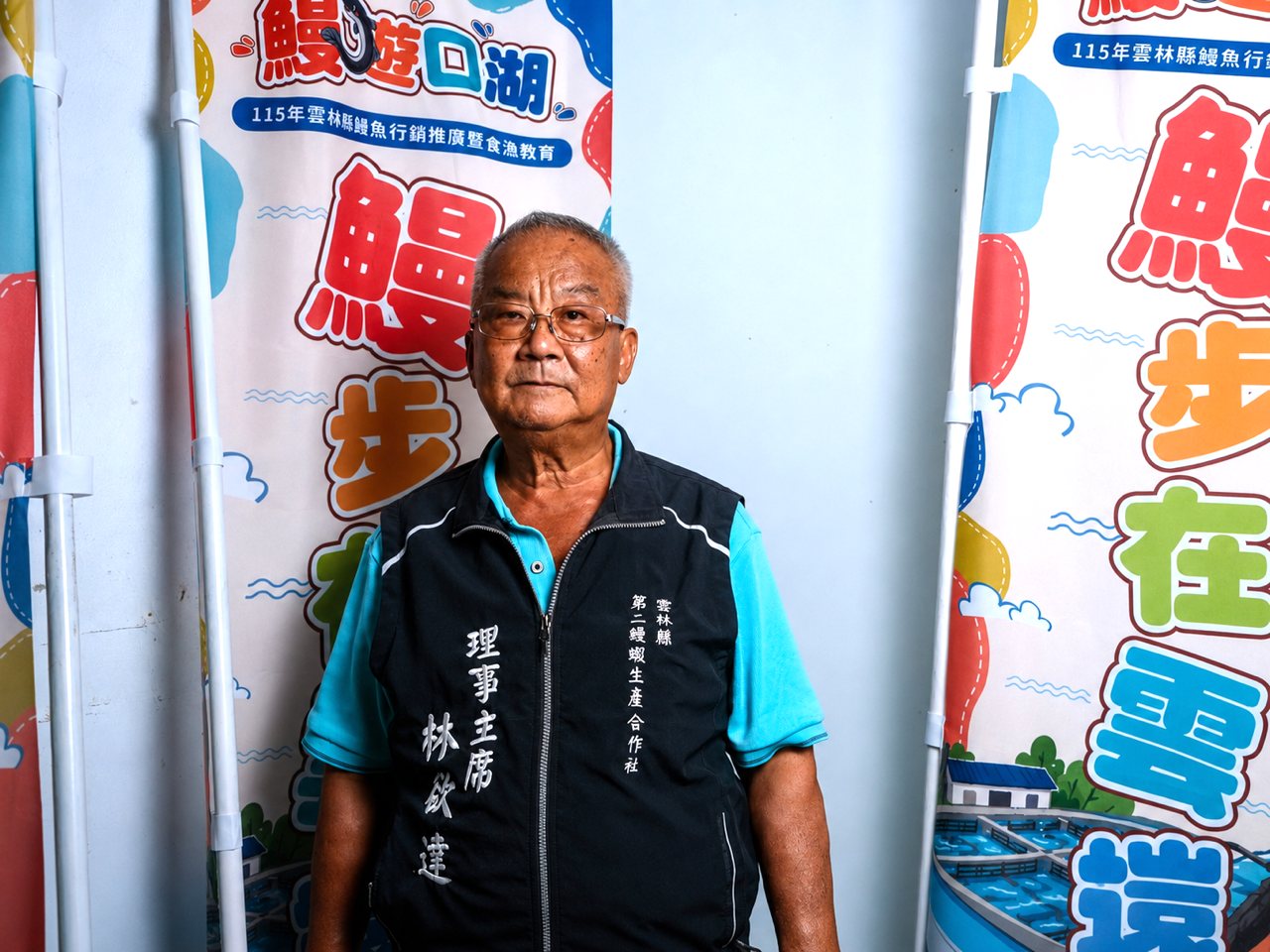
意識到光靠降價無法拯救市場,產業界開始尋求根本上的飲食習慣轉型。雲林縣第二鰻蝦生產合作社理事主席林欲達表示,韓國自產自銷的經驗值得台灣參考,既然外銷訂單縮減,就應全力拓展國內市場。
以前台灣人總覺得「好的要拿去外銷」,其實國人完全消費得起;關鍵在於習慣需要時間培養,烹調方式也能更多元。合作社除了推廣食譜,打破「只有蒲燒鰻」的印象,嘗試紅燒、藥燉等作法並開發各式加熱即食料理包,同時配合政府的行銷計畫與食魚教育開辦記者會,試圖從家庭餐桌著手,重新培育本土市場的消費根基。
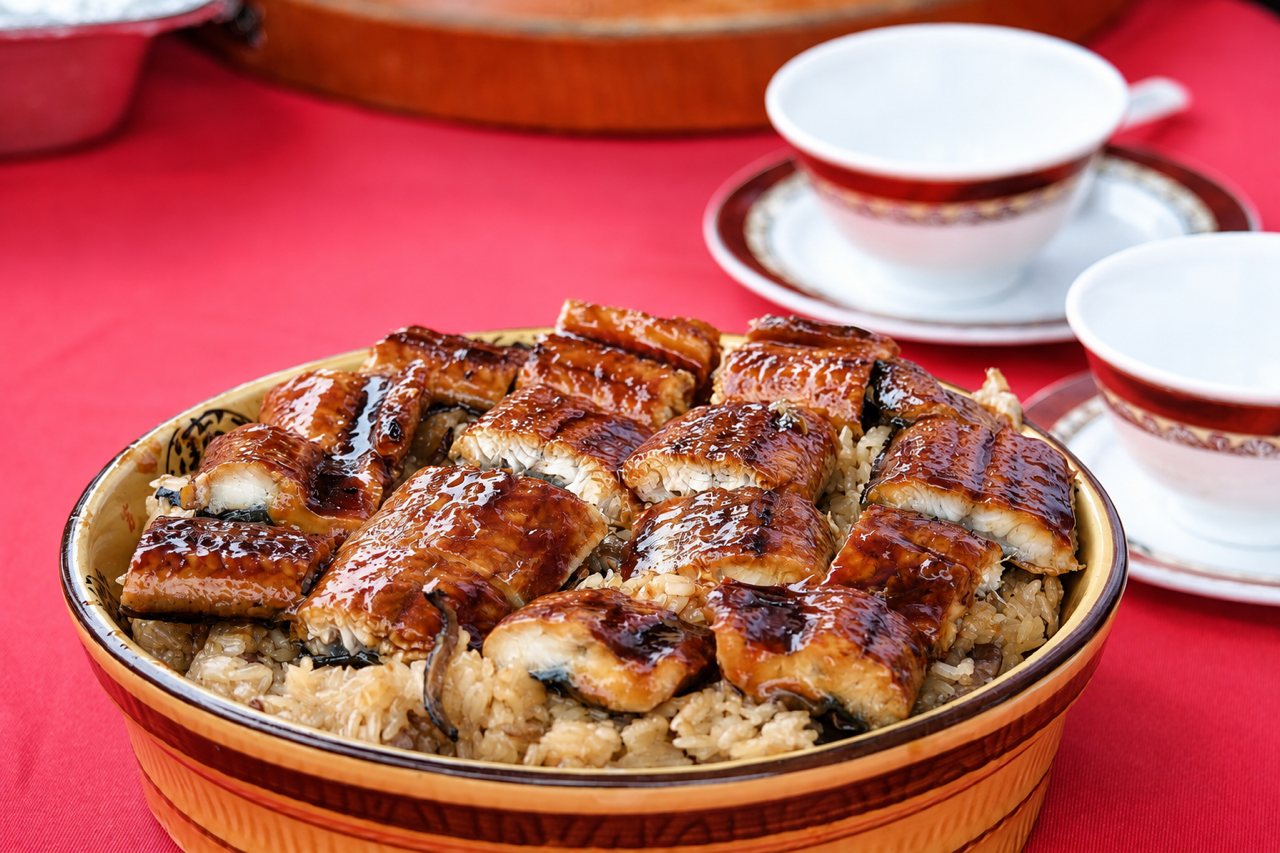
池邊價慘跌,為何鰻魚飯售價依然居高不下?
儘管產地價格已近乎崩盤,市面上的鰻魚飯售價卻未調降,形成產地與消費端的巨大落差。
圓山飯店與漁業署合作推出「臺灣鰻好的・圓山領鮮」活動,將鰻魚搭配綠竹筍等優質國產農作物,推出「極上鮮筍鰻魚炊」、「富貴棗香白鰻糯米飯」等精緻料理,廣受好評。圓山飯店公關暨企劃行銷部門協理葉文健分析,國產鰻魚雖然降價,但僅為單一食材,即便是專賣鰻魚飯的餐廳,也會使用其他未降價的食材;就營運面考量,難以單獨調降單一料理售價。他也指出,食材僅占餐廳成本的三至四成,其餘營運開銷同樣居高不下。
無刺鰻魚飯名店「劍持屋」簡姓經理也表示,食材僅是經營成本的一環,雖然近期鰻魚價跌,但人事與店租等固定成本卻持續上升;早年鰻魚量少價高時,店家為維繫客源並未隨之調漲,面對今年的跌幅,則選擇以「加大鰻魚份量」的方式實質回饋顧客。
「鰻屋」謝經理則指出,餐廳服務成本高,內用鰻魚飯還是得維持原價,但禮盒有優惠折扣,期待消費者在中秋送禮時可以考慮支持國產鰻魚。
也就是說,雖然終端售價難以隨池邊價即時調降,但當前無論是份量增加或多元菜色開發,都是國人品嚐高品質國產鰻魚的最佳時機。
自創品牌難救龐大產量
漁民為了自救,也開始自創品牌、透過宅配銷售加工商品,但人力與資源有限,銷售量根本無法消化池子裡龐大的產量。對於習慣只管生產的傳統漁民而言,建立內銷通路意味著必須耗費極大精力尋找買方,過程極具挑戰。
金龍水產就是「自售加工鰻」的代表,黃文聰表示,近幾年開始投入加工鰻,由加工廠提供真空包裝,自己再貼上金龍水產的貼紙,算不上品牌經營,也只是透過自己的親友舊識盡量販賣。
鰻三代林豐樟指出,委託加工廠代工的成本非常高。目前成鰻的養殖成本每公斤至少 300 元,加上加工處理費用後,總成本直接飆升到 600 多元,對一般家庭而言,想吃魚有許多更廉價的選擇,鰻魚相對陌生,沒有買單誘因。
殺鰻師傅「斷代」成瓶頸
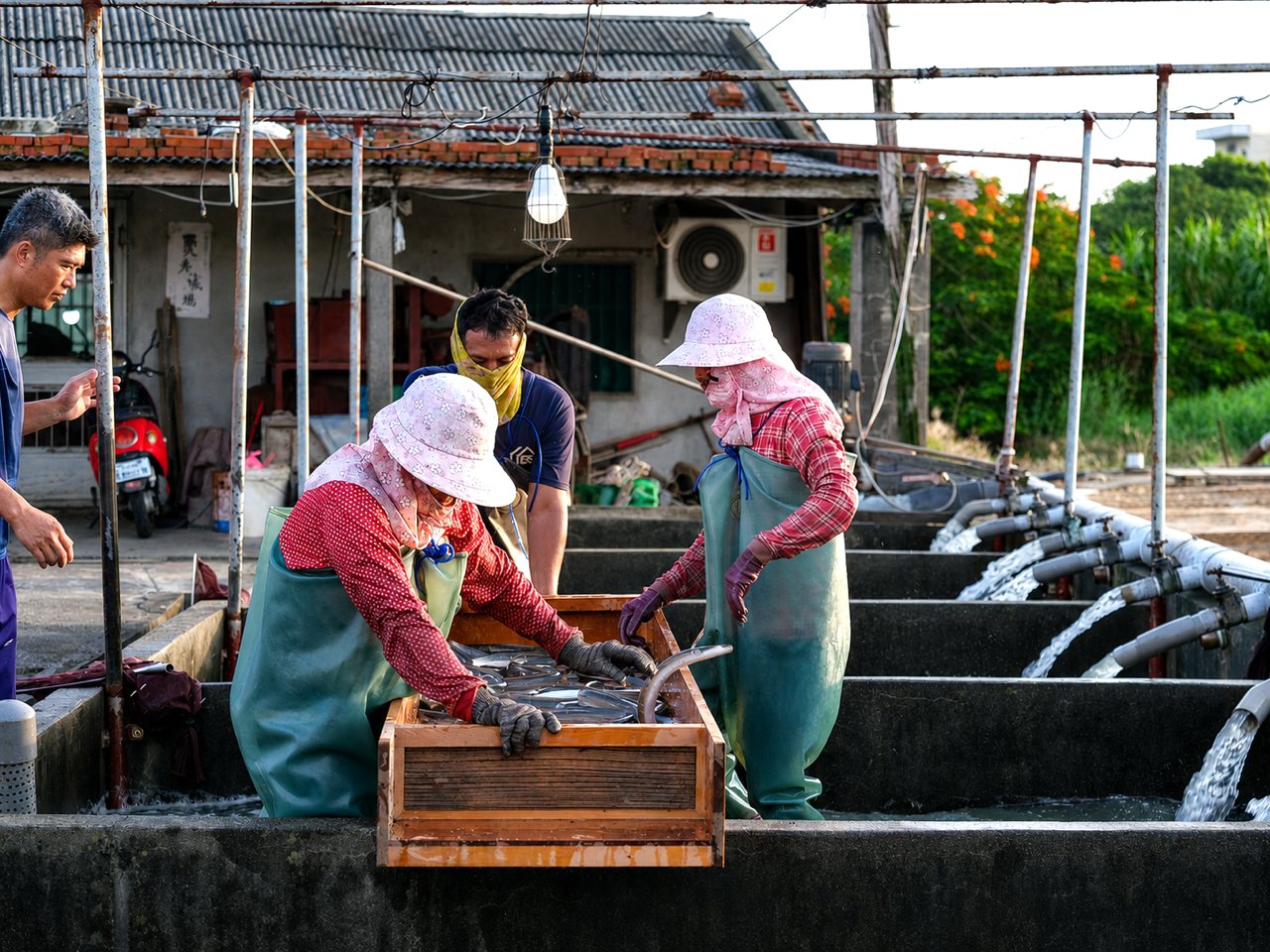
雪上加霜的是,即便漁民願意花錢加工,後端的屠宰量能也早已亮起紅燈。漁青謝富勝表示,今年產地崩盤,大家都急著把魚送去加工廠做成蒲燒鰻冷凍自保,導致全台加工廠天天爆滿排隊,「魚送不進去,只能在池子裡邊養邊等,飼料錢每天都在燒。」
資深鰻漁蔡建宗更進一步指出,不論開發何種鰻魚產品,都必須經過細膩的去骨剖魚程序。「殺鰻魚技術門檻極高,全台灣掌握這項專業手藝的師傅不超過 40 人,且年齡嚴重老化、技術嚴重斷層。」此外,多數水產加工廠採多元品項營運,既有排程難以隨時為突發的鰻魚加工需求全數讓路,在技術人力凋零與產能排擠的雙重夾擊下,鰻魚加工塞車極為嚴重。
進口半成品「偷天換日」洗產地,國產鰻魚市場遭劣幣驅逐
然而,對台灣本土鰻魚市場最致命的一擊,來自邊境管制的實質漏洞與「洗產地」亂象。當台灣成鰻價格高,部分業者為降低成本,傾向大量採購價格低廉的中國半成品替代,嚴重打擊在地養殖戶的生計。
雖然中國加工鰻(稅則 16041700116)屬於 MW0 的「大陸物品不准輸入」項目,但業者會蓄意改用「冷凍海鰻」(稅則 03038952005)、「其他已調製或保藏之魚」(稅則 16042090)或「其他已調製或保藏之整條或片塊魚」(稅則 16041990)等通用稅則項目報關,就是賭海關不會開櫃查驗。
這些違規進口的中國半成品抵台後,只需經過微幅加工,便符合法規中的「實質轉型」定義,進而合法標示為「台灣製造」。市面上更有業者以便宜的異種鰻(如雙色鰻)甚至「蒲燒鯛魚片」魚目混珠。在重口味醬汁掩蓋下,一般消費者難辨真偽。
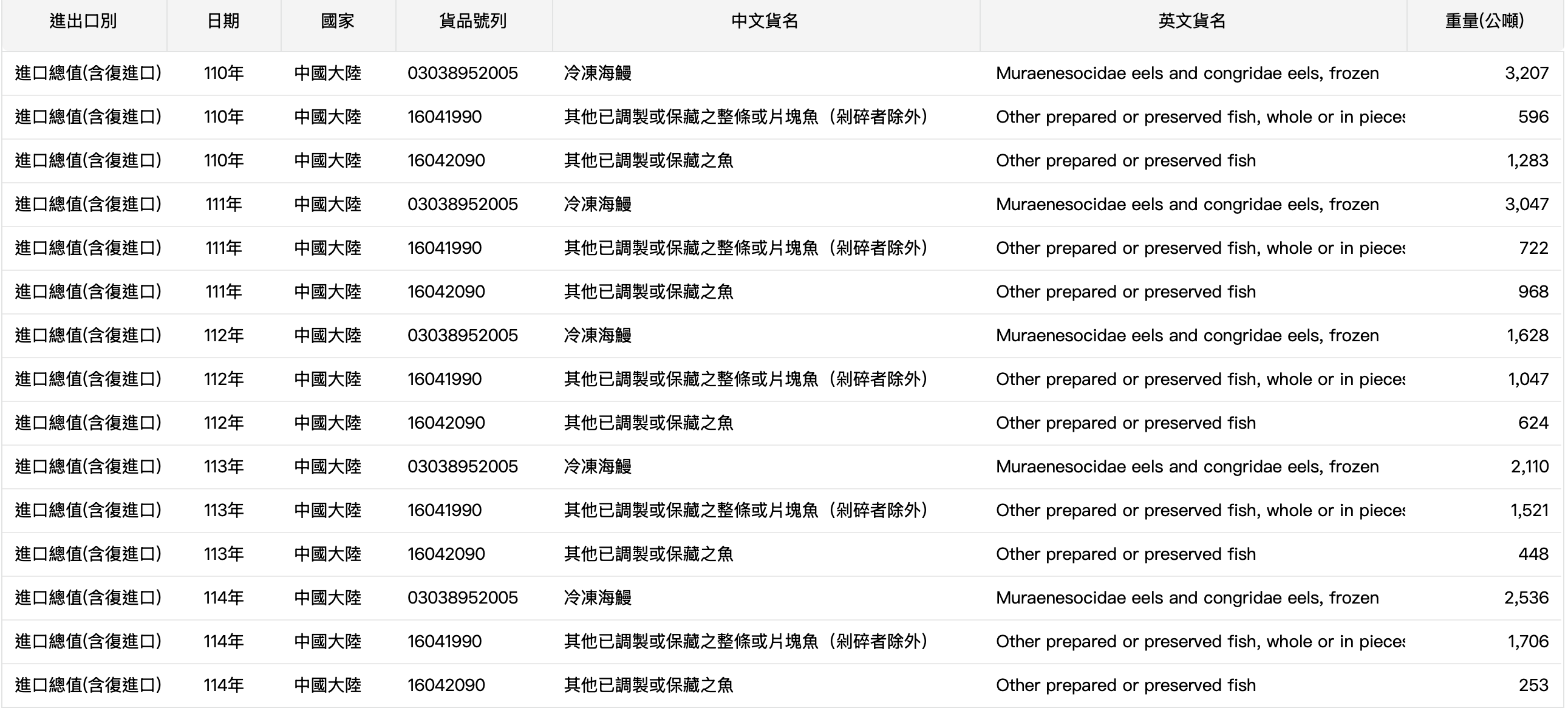
每年千噸灰色地帶入侵,邊境漏洞成內銷轉型隱憂
上述三個稅則號列,每年從中國進口的數量屢屢破萬公噸,其中究竟有多少中國加工鰻透過報關漏洞「混水摸魚」流入台灣,根本無從統計。根據台大漁科所教授韓玉山估計每年至少有 1,000 公噸;漁業署署長王茂城則坦言,根據業界推估,實際數量可能高達 2,000 公噸。以每年 3000 公噸的國內市場胃納量來看,非法的佔比相當驚人。
在台灣鰻業面臨外銷防線失守、正全力輔導「外銷轉內銷」的關鍵轉型期,邊境管制的實質失效與產地標示的灰色地帶,將讓原本就艱辛的本土市場開拓工作,面臨嚴峻的劣幣驅逐良幣危機。(文未完,請繼續閱讀)
Subscribe to:
Posts (Atom)