Tuesday, February 15, 2022

2008年於日月潭釣獲大型外來魚種寬鰭鰻,體長175 cm、體重18 kg。


回電子報首頁
鰻鰻長路
 
展示照片
2008年於日月潭釣獲大型外來魚種寬鰭鰻,體長175 cm、體重18 kg。上方為實體,下方為X光照(特有生物研究保育中心  葉明峰  提供)
 
展示照片
鱸鰻為保育類,是淡水鰻中體型最大的魚種(曾萬年 提供)
         2008年1月23日,日月潭被當地民眾釣獲1尾體長175 cm、體重18 kg的大型外來魚種寬鰭鰻(Anguilla 
reinhardtii
 Steindachner, 1867),這是台灣天然內陸水域的新紀錄種,也是在寬鰭鰻原產地新幾內亞和澳洲東岸以外區域所發現的最大個體。這應該是有人自澳洲活體引進台灣,以保育類魚種鱸鰻(A. marmorata) 名義販售,後來可能是因宗教放生行為,或是由養殖場及當地餐廳逸逃進入日月潭。由於缺乏天敵,這位澳洲來的鰻魚,迅速地成長,甚至長成比在原鄉的量體還大。
展示照片
寬鰭鰻標本
         碰到這麼大的鰻魚,使釣獲的漁民心生畏懼,因而把這條鰻魚捐給南投縣集集鎮的農委會特有生物中心,台灣省政府有鑑於台灣生態環境的破壞日益嚴重,為保存台灣特有動植物之物種與遺傳基因,維持生態系的長期穩定平衡,指示農林廳籌設特有生物研究保育中心。於1992年7月1日正式成立,1999年起配合精省作業,改隸行政院農業委員會。未來特生中心將因應國際趨勢,調適為「生物多樣性保育研究所」,積極扮演政府推動生物多樣性保育、調查、研究及推廣工作的專責機構。

         特生中心收養了幾年後,寬鰭鰻就壽終正寢了,特生中心因而趁這個機緣策劃了「鰻鰻長路--鰻鱺的一生」展,展覽是委託廠商辦理,在內容上還是請台灣的鰻魚權威-現任海洋大學講座教授曾萬年來指導,展覽分為鰻魚鰻談、認識鱸鰻、鰻魚的保存與永續利用、鰻魚文化世界大不同等4個主題,利用深入淺出的方式,帶領民眾進入神秘的鰻魚世界。
展示照片
             (特有生物研究保育中心 提供)
展示照片
(特有生物研究保育中心 提供)
 
展示照片
鰻魚骨骼標本
 
展示照片
鰻鰻長路展場一景
展示照片
              鰻鰻長路展場一景


Monday, February 14, 2022

日月潭水域發現水怪 250公分神秘身影曝光


日月潭水域發現水怪 250公分神秘身影曝光

·2 分鐘 (閱讀時間)
日月潭水域發現巨魚,讓當地民眾嘖嘖稱奇。(圖/民眾提供)

[周刊王CTWANT] 日月潭有水怪嗎?日前賴姓船長搭載遊客,準備到月潭水域進行立式划槳水上運動時,突然發現潭面巨魚現蹤,目測魚身長度超過250公分;魚池鄉農會理事長劉啟行說,他在潭邊長大,從來沒有見過那麼大的魚。

劉啟行趁著西洋情人節,在群組發出賴姓船長拍攝僅4秒的影片,分享這段與巨魚偶然相逢的奇遇,同時祝大家元宵節快樂。

劉啟行說,當巨魚浮出水面,賴姓船長隨手拍下難得的影片,就在眾人驚呼之際,巨魚隨即沉入潭底不見蹤跡,當時目測巨魚長度超過250公分,他從小在日月潭邊長大,從來沒有看過那麼大的魚,簡直是水怪等級,當地漁民研判可能是大尾鱸鰻或鯰魚。

日月潭漁民賴福進表示,日月潭水域其實有很多大魚,他就看過7、80重的烏鰡,體型就像人一樣;還有重4、50斤的大頭鰱,日月潭最出名的曲腰魚,還曾發現重達12斤的大魚。不過,賴福進說,像那麼大的魚都不適合食用,他不會捕捉,欣賞就好。

曾經是日月潭養殖大戶的賴福進說,近年來他不釣魚了,開始轉型生態探索旅遊行程,帶領遊客欣賞日月潭水族之美,看大小魚群悠遊水中覓食的景象,遊客感到新奇的體驗,可以永續經營,比直接把魚吃掉更有效益,因此,希望那條水怪級的大魚,能夠持續悠遊於美麗的日月潭,偶爾現身來一場「人與魚的邂逅」,更是充滿驚喜。

原始連結

Sunday, February 06, 2022

貓狗說的人類文明史

貓狗說的人類文明史

瞭解貓狗歷史,就是理解人類歷史
https://storystudio.tw/featurette/cats-and-dogs-and-history
「人類馴服了狗,而貓馴服了人類。」

如果說貓狗史,就是人類的文明史,一點也不為過!貓狗向來是人類最親密的寵物伴侶,我們如何對待牠們,反映了自身的文化,也體現了人類文明的高度。

從古文明的埃及、中國和馬雅為起點,探討貓狗是如何走進我們的生活。
https://storystudio.tw/featurette/cats-and-dogs-and-history
     
  •  

貓咪晚上不睡覺都在幹嘛?宋代鬼怪奇談裡半夜作祟的貓

 (https://storystudio.tw/article/gushi/cats-in-the-ghost-story-of-the-song-dynasty)


歷史上有狗奴就會有貓奴,就跟青菜蘿蔔人人各有自己的喜好一樣。


說起古代的愛貓人士,一千多年前打破水缸的司馬光榜上有名。司馬光為他的家貓寫過《貓虪傳》,這隻名叫虪(ㄕㄨˋ)的母貓可是隻義貓,不只哺乳時不分你我,一旦遭受不白之冤,就以死相逼,有骨氣。


說起古代的愛貓人士,一千多年前打破水缸的司馬光榜上有名(Source:Wikipedia)

我們常聽人「夜貓子、夜貓子」這樣喊著,顯然很多人覺得貓晚上不睡覺。把「夜貓子」當作貶義詞來看,指的是在該睡覺的時候不睡覺,肯定有些貓膩。「眾人皆睡,牠(貓)獨清醒」,必定不是好事。


關於鬼故事中的貓,可能是「貓變人」,也可能是「人變貓」。在華夏文化中修煉幻化的觀念其實很常見,貓兒經過修煉可以幻化成人,而女性透過學習法術則可幻化成貓。通常人變貓是竊財,貓變人就有趣多了。宋代鬼故事筆記《夷堅志》就有兩則貓變人的故事可以拿出來說。


第一則故事是這樣的:有一位書生半夜遇到正妹敲門後,像變個人似的癡呆、發笑,害得他老父認定是有鬼怪作祟,請黃法師開了三個符咒斬桃花。當夜,正妹果真不再造訪,這愛窺視的老爸終於安心。沒想到數月後,正妹再次獻身,數落書生的薄情拋棄;在她離去不久後,大受打擊的書生也跟著死去。這位正妹正是貓的化身。


第二則故事跟夜貓子有關:大戶人家有位女兒,長得相當漂亮。人們常說女兒是父親上輩子的情人,父親關心女兒理所當然,特別是這位女兒人見人愛,讓人看了心亂神迷,總忍不住多瞄幾眼。


大概是因為這樣,老爸不太讓女兒出門,被關在家中的女兒就這樣硬生生憋得悶悶不樂。長此以往,這位閨女遂發展出新的習慣,她白天不睡覺,晚上則嘻嘻哈哈徹夜不眠。女兒的怪癖令父親相當憂慮,他晚上靠在女兒房門口偷聽,想要一探究竟女兒在跟誰說話,聲音怎麼如此甜蜜親切。


不久,父親在家門附近巧遇一位周道士,這位道士說女兒舉止失常是因為受貓魈附身。父親吃驚不已,立刻請道士作法,只見這道士口中唸唸有詞,揮起法劍一斬,即說貓魈已死,而原本昏沉的女兒果真馬上清醒。


「眾人皆睡,牠(貓)獨清醒」的鬼故事,背後有何寓意?(Source:by inorsis, via Flickr)

從這兩則故事中可看出貓與女性的關係。第一則故事中貓的作祟對象是未有功名的書生,受到貓祟衝煞的書生,會無故發笑甚至癡呆。第二則故事裡貓的性別不得而知,但可看出貓會附身於人,而被附身的人可能產生幻象,或是白日疲倦、黑夜卻異常清醒。聽起來,這其實是個女性偷偷談戀愛的故事,而父親則擔心自己女兒受到外人欺騙。


兩則宋代鬼故事的共通點,便是受到貓作祟時,人的語言或精神很容易出現異常。第一則是反映出宋代讀書人的壓力。由於宋代的書生多有舉業,一生以考科舉為己任,考上科舉對於家族或個人來說是件榮譽的事;因此,宋代認為「來路不明」的露水姻緣對志在取得功名書生來說是很危險的。宋代的男子跟女鬼發生關係之後,不是身體發生不適就是死亡,像第一則故事女鬼報復後書生去世。


這類故事放在歷史的研究脈絡來看,背後的寓意是要告誡宋代男子要小心不明女子的誘惑,因為一旦不小心被誘惑則可能危害到自己父系家族的理想。同時,也說明必須為家族利益考量下宋代男子在婚姻大事上往往身不由己,所以遇到外頭的激情誘惑便難以抵抗。


第二則故事中女兒的情狀則可能反映女子戀愛的樣貌。這些發病或撞鬼的故事之所以發生在夜晚,正是因為白日有許多道貌岸然的人約束著女子的行為。而這些「貓變人」或「人變貓」的故事,便代表這不是在白日下正常可見的,鬼魅的形象總是飄渺不定,就像是「一夜情」一般不著痕跡。


另一方面,從學者研究唐宋女性故事的脈絡看來,第二則的故事其實隱約顯露出宋代女性顯然也憂心自己的戀愛情事。回歸到中國文化的觀念,若女性未婚死亡就沒有香火祭拜,對於一個愛女兒的家人或是女性本身都是一股潛在的單身焦慮。


這也說明「單身這種病」是一股延續性的力量,現代的你我其實並不孤單。

壬寅虎年

 祝大家 壬寅虎年平安順利


Sunday, January 23, 2022

雜文


111年學測作文的第二題,個人覺得可能是出題委員對未來大學生的問卷吧?藉由這一題來叫學生反思自己對學習的態度吧?

從歷年來學生申請大學的文件來看,學生試圖要說服大學端的,說明她(他)們對這個系是有期待和興趣的,從不可考的個人悠久歷史之前,開始描繪如過不收他,是折損中華民國的人才,而學生進入這個系剛好適才適所,從此提升國家競爭力(請參考學生送出來的讀書計畫)。

幾年後在校園中,可以發現有些人(比例和國家GDP成長率一般),原來他們的學習胃口已被窄化,只能燃燒前階段所累積的知識脂肪,在乎的事是會不會考、能不能、好不好過!而不是學問之趣和理性之美,

或許所謂的「科學」、「學術」本身ㄧ開始就不是普羅大眾的,科學也不是一個職業!追根究底,它們是行有餘力的貴族的業外嗜好,但後來發現它們衍生出的可以變成業內的一大部份。那我們如何叫學生在功利之外,享受知識之美?(某些程度上、學生和貴族一樣)。

或許知識是讓我們回到那對某事好奇的初心吧?回到那無用學問。
在升學壓力下,高中學生如何看待「知識之美」,這份初心能不能在大學裡再次延燒。
其實我問過學生,你對生物學有興趣?還是對生物學考高分有興趣?


111年大學學測 自然科試題


Tuesday, January 11, 2022

Why baby eels are one of Spain’s most expensive foods

Why baby eels are one of Spain’s most expensive foods


Angulas are astronomically expensive, up to 1,000 euros per kilo, which is strange because they don’t taste of much at all.
B

Baby eels are one of Spain’s most expensive foods, but when you see them for the first time you might wonder why.

They’re not, to put it mildly, something that cries out to be eaten. When alive, they’re transparent and slimy, slithering and squirming like tiny snakes. Cooked, they turn opaque and resemble limp, dead worms, except they’re white with two tiny black dots for eyes. Hungry yet?

They’re not something that cries out to be eaten

But lots of delicious things are not particularly good looking; what’s important is the taste. Here’s where it gets strange. It’s not that angulas, as they’re called in Spain, taste good or bad. They don’t taste of much at all – which is strange because they’re astronomically expensive, up to 1,000 euros a kilo. Even stranger still, legend has it they were once so unappreciated they were used as fodder for chickens and pigs. But then again, when it comes to eels, everything is strange.

Many Spaniards find it difficult to understand why some people are willing to pay so much for angulas, including me. As a writer and podcaster about Spanish food and culture, I’ve always found it mystifying. Especially because the traditional recipe (a la bilbaína) calls for frying garlic and hot peppers in lots of olive oil and then adding angulas – a sure way to overpower their mild flavour.

Baby eels, or angulas, are one of Spain’s most expensive foods (Credit: David Doubilet/Getty Images)

Baby eels, or angulas, are one of Spain’s most expensive foods (Credit: David Doubilet/Getty Images)

You may also be interested in:
• The seafood that fetches €100 a dish
• The planet’s most extreme cuisine?
• Italy’s ingenious truffle scam

Of course, mystery surrounds eels, not least when it comes to their life cycle, which sounds like something out of a dark fairy tale. They live in freshwater, but can breathe through their skin and travel over land for long distances. They eat just about anything, living or dead. Then at the age of 10 or so, they swim downstream in rivers across Europe to the Atlantic Ocean and somehow (it’s still unknown to science) they find their way to the Sargasso Sea, some 5,000km away. At depths of more than 500m – quite a feat for a creature that lives most of its life in shallow freshwater – they spawn and die, and their hatchlings drift on the Gulf Stream currents towards Europe, a journey that takes at least two years.

When the angulas finally arrive on Spain’s Atlantic shores, fisherman with scoop nets are waiting for them. The season starts in November, and the best time to catch them is in the middle of the coldest, blackest, rainiest nights when the tide is strong and the water is rough and turbid. Of course.

It takes at least two years for eel hatchlings to drift from the Sargasso Sea to Spain’s Atlantic coast (Credit: Siqui Sanchez/Getty Images)

It takes at least two years for eel hatchlings to drift from the Sargasso Sea to Spain’s Atlantic coast (Credit: Siqui Sanchez/Getty Images)

While angulas are incredibly pricey, the first batch to go on auction every year are more expensive still. In 2016, the first lot up for sale weighed 1.25 kilos and sold for an eye-watering 5,500 euros. Wholesale. And yet the second lot, which weighed about the same, sold for a ‘mere’ 1,070 euros.

So why the difference? Same baby eels, bought minutes apart, just one batch before the other. Even more curious is that both lots were bought by the same man.

When it comes to eels, everything is strange

I tracked down the buyer, José Gonzalo Hevia, who owned Casa Tista restaurant in Asturias, to ask him.

“It was a bit of marketing for my restaurant and also an homage to the fisherman,” said Gonzalo Hevia, now retired. He was once an angula fisherman himself. “The atmosphere at the auction is very exciting. It’s a big media event. The next day, the name of my restaurant was in every newspaper and on every TV station.”

That kind of publicity can bring in a lot of customers. “Some of my clients came back 20 or 30 times a season to eat angulas,” Gonzalo Hevia added. When I asked him what’s so special about them, he said, “It’s the texture more than anything.”

Legend has it that angulas were once so unappreciated that they were fed to chickens and pigs (Credit: Mike Randolph)

Legend has it that angulas were once so unappreciated that they were fed to chickens and pigs (Credit: Mike Randolph)

But the texture doesn’t seem so special to me. I remember them as slippery, with a very slight crunch. Still wondering why people would pay so much for them, I visited Arima, a noted Basque restaurant in Madrid, and spoke to the head chef, Rodrigo García Fonseca.

García Fonseca, who served 3kg of them in one week this past January, also a la bilbaína, said, “I wouldn’t pay that money for them. They have no taste, no colour, nothing, not even smell. A lettuce has more aroma. But I had two guys in here that ordered half a kilo of them. Five hundred euros in one shot. Some people who have money like to spend it. Who doesn’t like being a snob from time to time?”

Nagore Irazuegi, the owner of Arima, is also from the Basque Country, where angulas are ingrained in the traditional menus of Christmas Eve, New Years and the Day of San Sebastian on 20 January. “They’re way overpriced, but some people like the ostentation of it,” she said. But she is quick to add that there is more to it. “On special feast days, it’s just a tradition to eat them. And that ties a certain class of people together. It’s a cultural thing. More than anything, people want to belong.”

In 1991, Angulas Aguinaga created imitation angulas using surimi, a paste of processed fish (Credit: Mike Randolph)

In 1991, Angulas Aguinaga created imitation angulas using surimi, a paste of processed fish (Credit: Mike Randolph)

Whether or not baby eels were once fed to livestock (everyone I spoke to had heard the same story, but little evidence exists), there’s no doubt they were once the food of the working class in northern Spain. But that was back when angulas were plentiful, and therefore cheap. As angulas became scarce and prices rose, a company called Angulas Aguinaga saw an opportunity. In 1991, using surimi, a paste of processed fish, they created imitation angulas, which are called simply gulas. They look almost the same, but that’s about it. Gulas are softer and taste vaguely fishy. And yet they’re so popular you can find them in just about any grocery shop in Spain.

It was a perfect storm of demand

Part of the reason angulas are so expensive is that dams and environmental degradation have taken a toll on eel numbers, and they are now listed as critically endangered. Overfishing has also played a part. In the past, live angulas were exported to China, where they were fattened and sold as mature eels, but that has been banned since 2010. Still, a lively black market persists. In 2017, Spanish police uncovered an international angula-trafficking operation that, when busted, had a stash of gold ingots, 1m euros in cash, plus 2m euros worth of live angulas headed for China.

Three-star Michelin chefs have also played a role in the price increase. Manolo González, an award-winning food writer and historian from San Sebastian and secretary of one of the city’s famed gastronomic clubs, Cofradía del Ajo y el Perejil (The Brotherhood of the Garlic and Parsley), explains. “When I was young, in the 1950s and 60s, we ate a lot of angulas. At that time, they were still considered too low class for a restaurant to serve, but in the ‘70s, the great Basque restaurants like Arzak started to cook with them, and all of a sudden, angulas were high class.”

Now they were not only scarce, they were also fashionable. It was a perfect storm of demand. Prices skyrocketed.

The traditional recipe for angulas a la bilbaína calls for tossing the eels with garlic and hot peppers fried in olive oil (Credit: Basque Country - Mark Baynes/Alamy)

The traditional recipe for angulas a la bilbaína calls for tossing the eels with garlic and hot peppers fried in olive oil (Credit: Basque Country - Mark Baynes/Alamy)

And yet they remain popular. Why?

“Exclusivity has always played a role in gastronomy,” González explained. He likens it to buying wines that cost 5,000 euros a bottle, way beyond their true value, but worth it to some even if only to show status. While admitting that angulas don’t taste of much, González does enjoy the texture. “And for a food lover, on a special occasion, 80 euros for an appetizer isn’t completely out of reach.”

Exclusivity has always played a role in gastronomy

While he himself doesn’t cook with them anymore because of the high price, the taste of the classic angula recipe with oil, garlic and hot peppers still holds fond memories.

“You can make the same dish but with using spaghetti. We call it Poor Man’s Angulas,” he said with a touch of irony. “Try it, you’ll see how delicious it is!”

Join more than three million BBC Travel fans by liking us on Facebook, or follow us on Twitter and Instagram.

If you liked this story, sign up for the weekly bbc.com features newsletter called "If You Only Read 6 Things This Week". A handpicked selection of stories from BBC Future, Earth, Culture, Capital and Travel, delivered to your inbox every Friday.


Thursday, January 06, 2022

日本鰻魚很多由中國飼養?揭開這瀕危物種的貿易秘密- BBC News 中文


https://www.youtube.com/watch?v=1j9uyOnu5Zg


<iframe width="560" height="315" src="https://www.youtube.com/embed/1j9uyOnu5Zg" title="YouTube video player" frameborder="0" allow="accelerometer; autoplay; clipboard-write; encrypted-media; gyroscope; picture-in-picture" allowfullscreen></iframe>

Wednesday, January 05, 2022

屏東鰻苗大爆發! 漁民抓三天可收入上百萬

屏東鰻苗大爆發! 漁民抓三天可收入上百萬

·2 分鐘 (閱讀時間)
屏東鰻苗大爆發! 漁民抓三天可收入上百萬

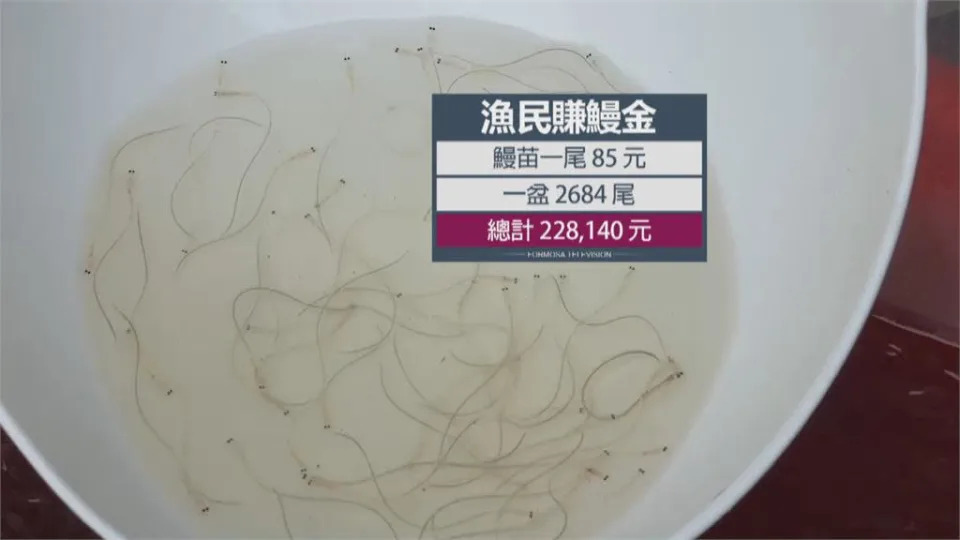
每年的11月到2月,是漁民撈捕鰻苗的季節,今年東海岸普遍抓不太到,反而是西邊的屏東,最近鰻苗大爆發,不少漁民紛紛搶進要來賺年終獎金,因為以目前一尾市價約85元來算,一晚有機會撈捕到兩千多條,收入就有近23萬元,不少東部漁民,也開船趕來要來撈捕鰻苗。

撈捕民眾說,「你抓了幾尾2尾喔?」

撈捕鰻苗的民眾,坐在岸邊,點著一盞盞燈光,詢問對方撈捕情形。

撈捕民眾說,「你抓到還要戴眼鏡喔。」

不只在岸邊湧入人潮,往海上放眼望去,一艘又一艘的漁船,全都停在外海,今年全台鰻苗稀少,卻唯獨屏東枋寮出現大爆發的情況,不少漁民趕來搶賺「年終獎金」,甚至有人專程從宜蘭及花蓮趕來。

聲源:花蓮撈鰻苗漁民蔡喬恩說,「通常是要有漁船的才會過去那邊,因為那邊的抓法,跟我們這邊北部的抓法都不一樣。」

枋寮鄉長陳亞麟說,「這也是枋寮附近海域,近幾年來少有的盛況,也有很多外縣市,甚至最遠最遠從宜蘭來的,捕撈鰻苗的漁船也來到枋寮。」

&#x005c4f;&#x006771;&#x009c3b;&#x0082d7;&#x005927;&#x007206;&#x00767c;&#x00ff01;&#x006f01;&#x006c11;&#x006293;&#x004e09;&#x005929;&#x0053ef;&#x006536;&#x005165;&#x004e0a;&#x00767e;&#x00842c;
屏東鰻苗大爆發!漁民抓三天可收入上百萬

大家會這麼拚,不是沒道理,以盤商手上這一袋為例,目前一尾市價約85元、整袋2684尾,市值就將近23萬元,漁民們就拚,重現2019年鰻苗大爆發的榮景,抓三天就可以收入上百萬元。

鰻苗收購盤商說,「好像前年一籠就有兩萬尾,那時候一尾大概125元,那一籠就賺了兩百多萬。」

專家就說,過去鰻苗沿著黑潮主流,從菲律賓沿東海岸往北漂流,但有時候卻是透過黑潮支流帶往西南海岸為主,也就出現今年枋寮的鰻苗比東海岸多的情景。

台大漁業科學所所長韓玉山說,「今年的話因為似乎是,鰻苗有一大批走黑潮的支流為主,因此屏東地區的鰻苗比宜蘭多很多,這件事情在2年前也發生過。」

&#x005c4f;&#x006771;&#x009c3b;&#x0082d7;&#x005927;&#x007206;&#x00767c;&#x00ff01;&#x006f01;&#x006c11;&#x006293;&#x004e09;&#x005929;&#x0053ef;&#x006536;&#x005165;&#x004e0a;&#x00767e;&#x00842c;
屏東鰻苗大爆發!漁民抓三天可收入上百萬

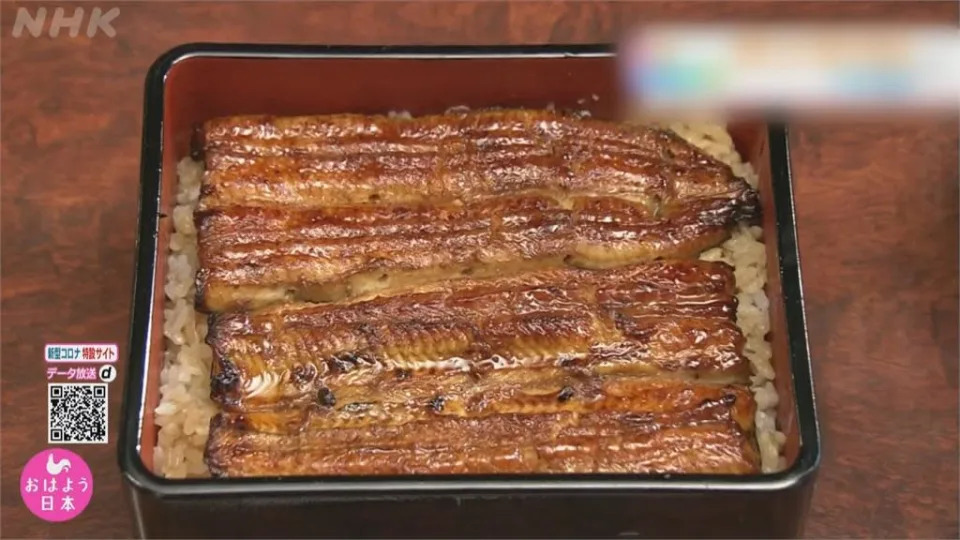
香噴噴的鰻魚在烤盤上滋滋作響,鰻魚飯在不少人心中都有著高貴料理的形象,如今鰻苗越來越少,價格跟著水漲船高,也難怪居民搶賺鰻金,就盼能再多賺點錢、過個好年。

(民視新聞/洪明生、蘇晟維 屏東報導)