Tuesday, August 10, 2021

「鯰魚效應」讓鰻魚0死亡?胡說八道

https://www.mirrormedia.mg/story/20170823bus004/?fbclid=IwAR1m2VaNr2bMm8KI0juZUEMnXp7OjV64CoW-9f8i__2MbydXwHvbLF-GMkM

活鰻搭飛機出口日本,如何保持0死亡率?江湖傳說指「在魚群中放幾條鯰魚,魚群為躲避鯰魚會不停游動,到埠時仍保持活跳跳狀態。」對此,「鰻魚女王」旺生企業董事長郭瓊英直言:「胡說八道!」在本刊追問下,她不藏私傳授活鰻運輸0死亡率的商業祕訣。

午夜12點,一輛載滿冰磚的卡車駛入旺生位在桃園市大園區的鰻魚包裝廠,司機掀開蓋住冰塊的帆布,用超大型鐵夾將大型冰磚卸貨至預備位置,空氣中頓時飄出一股寒意,這就是準備用來強迫鰻魚進入冬眠狀態的祕密武器。

當工人完成選別工作,正在休息室吃麵喝茶聊天,唯獨郭瓊英一人來回巡視選別池,只見大型水柱持續沖水,池中鰻魚像著了魔似地不停游竄,「鰻魚運輸能存活的訣竅就是空腹,透過沖水刺激,讓鰻魚一直處於運動狀態,把肚子裡飼料消耗掉或把髒東西吐出來,才能降低運輸的耗損率。」

清晨4點,工人即使睡眼迷濛,卻1分鐘也不敢多耽擱,趕緊將冰塊投入池中,為了增加和魚群接觸的表面積,還得持起超重木槌將冰塊擊碎,待8座選別池皆投入冰塊後,活鰻從不斷扭動身軀到呈半麻痺狀態;此時,眾人分工合作,有人折妥紙箱、有人搬來氧氣筒、有人持電鋸將冰磚切成15公分大小立方體。

被冰塊凍暈的鰻魚,暫時失去活力。
工人持電鋸將大型冰磚切成適當大小備用。
撈起的鰻魚持續使用冰塊冰鎮。
被冰塊凍暈的鰻魚,暫時失去活力。
工人持電鋸將大型冰磚切成適當大小備用。

一切準備工作就緒後,包裝產線正式啟動,2位工人進入激「凍」池,將呈現半暈麻痺的鰻魚撈進大水桶,接著磅重、裝入大型透明塑膠袋,郭瓊英站在最核心位置,拿著勺子舀起一杓預切冰塊磚水放入裝滿鰻魚的塑膠袋,才交給員工打入氧氣,最後封口裝箱。

「鰻魚在進入冬眠狀態時,所需的氧氣最少,冰塊的量要維持到運輸至國外,當冰磚化掉後鰻魚也剛好甦醒。」突然有員工貪圖方便,將還未裝入紙箱的鰻魚袋暫放地面,郭瓊英急得大聲制止,「地板溫度較高,會加速袋內冰塊融化速度,這樣是撐不到日本的,要講幾次?怎麼可以這麼不小心!」

在袋中打入氧氣,延續鰻魚生命。
郭瓊英親自掌杓,將裝袋鰻魚額外放入一杓冰塊水。
在袋中打入氧氣,延續鰻魚生命。
郭瓊英親自掌杓,將裝袋鰻魚額外放入一杓冰塊水。

正因為霎那間的功夫就能決定鰻魚「活」與「死」,為保護鰻魚,郭瓊英的焦急全寫在臉上,事後她忍不住自嘲:「在現場我就像個瘋子,但畢竟鰻魚是活的,稍有不慎牠們就會死亡,員工不一定這麼細心,每次看到危險的時候我就會很急,出貨就好像在打戰。」

早晨7點送抵桃園機場,準備搭第一班飛機出口日本。
一望無際準備放入包裝鰻魚的紙箱。
早晨7點送抵桃園機場,準備搭第一班飛機出口日本。
一望無際準備放入包裝鰻魚的紙箱。

包裝廠多是現場工作,郭瓊英投入鰻魚出口產業逾40年,至今仍堅持到廠坐鎮,「鰻魚一死亡就沒有價值了,沒價值就會虧錢,日本人相信我們(旺生),因為我們是有品牌的,不容許失誤,只要把這個態度傳達下去,所有人都戰戰兢兢。」、「我是巨蟹座的人,非常謹慎,交給別人我不放心,寧願親力親為。」鰻魚女王以身作則,也是旺生立足日本商界的關鍵原因。

European eel population at risk of collapse

https://science.sciencemag.org/content/372/6548/1271.1

European eel population at risk of collapse

 See all authors and affiliations

Science  18 Jun 2021:
Vol. 372, Issue 6548, pp. 1271
DOI: 10.1126/science.abj3359

You are currently viewing the pdf extract.

View Full Text

Log in to view the full text

PDF extract preview

Animal Reproduction. Open access peer-reviewed Edited Volume

Animal Reproduction
Open access peer-reviewed Edited Volume
ISBN: 978-1-83969-515-5
eBook (PDF) ISBN: 978-1-83969-516-2


A good deal for healthy eels

Belgium (Brussels)

The Sustainable Eel Group (SEG) not only ensures that European eel populations stay healthy and able to fulfil their role in the aquatic environment, but they also support sustainable use for the benefit of local economies.


How do they do this? Through collaboration. As we know, most good things are accomplished not by single heroes, but by diverse stakeholders working together. In this case, it’s the scientific, conservation, and commercial sectors holding hands.

We might not typically spend a lot of time talking or thinking about eels and their troubles, so luckily, the SEG and many other stakeholders are taking on the three main challenges for the healthy survival of the European eel population – which like many other migratory fish, is critically endangered or locally extinct. And one of SEG’s goals is to get them off the endangered list.

Illegal trade, and more specifically, towards East Asia, has been on the rise in the past decades and even though this species has been listed in the Annex II of the Convention on International Trade in Endangered Species of Wild Fauna and Flora (CITES), under-reporting, poaching, and illegal trade have continued. It’s been said that illegal eel smuggling is more lucrative than trafficking cocaine because of the profit being determined by weight. 

Another big challenge for the eel population are man-made barriers. You might know of the great wildebeest migration across the Serengeti/Mara ecosystem, or the lake-to-lake flamingo migration in Tanzania. Similar to these and other migrations, where animals move in large numbers to new places to feed or breed, fish use rivers as natural highways for their migrations. The European eels use them to move from the rivers to the wetlands – that is, if they can. Unfortunately, they more often than not find man-made barriers, such as hydropower and water pumping stations, blocking their way. 

Sustainable Eel Group

Thanks to the EU-funded Project Amber, a comprehensive atlas of river barriers across Europe has been mapped, and over one million obstructions have been identified already. Apart from blocking their way, these barriers are also deadly – millions of fish are killed each year. Not only is this terrible news for the eel population, but also for us: the health of European rivers depends on these eels performing their vital tasks to keep our river ecosystems healthy. Among other roles, eels help to regulate the populations of other animals and they also play an important part in the food chain of larger fish and birds.

One of the many positive things Andrew Kerr and his team at SEG are up to is rewilding the eels. This normally involves the local fishermen and Andrew explains in a recent video that “the thing about fishing for them is you can assist the migration over the barrier, so you’re giving them a human-assisted 10-, 20-, 30-mile ride and then releasing them. We’re rewilding them above these barriers. This assistance will reduce the mortality substantially.” Andrew also explains that wetlands are the most important habitat for eels, because that is where they undergo their big transformation from a saltwater fish swimming in the sea to a freshwater fish swimming in rivers. He compares this process to the caterpillar-to-butterfly-metamorphosis we probably are more familiar with.

You might feel powerless if you don’t have influence to decrease trafficking or prevent more barriers from being built, but there is a way in which we can all be part of the solution rather than the problem. If you’ve ever tried to figure out the labelling on a product, you’ll know the complexity of standardisation, and the eel sector is no different. So the Sustainable Eel Group set out to provide a standard for a responsible eel sector that includes traceability from source to market. The SEG standard describes the standards to which those who trade in the European eel must comply if they wish to claim to be doing so responsibly, and we can be responsible consumers by only buying eel or eel products from sustainable producers.

In addition to the initiation and support of scientific research and conservation projects, SEG also coordinates the different players across the ecosystem. According to Andrew, collaboration is key. “Collaborative leadership – we’re trying to build links for a joined-up agenda.”

AtlasAction: Consume eel or eel products responsibly by informing yourself on the SEG standards and not supporting any producer or seller who doesn’t comply with these standards.

Written by

Zanri Kritzinger (16 July 2021)

    Bio

    Book-lover, sustainability-seeker, plant-eater, and curious learner. Manager of social impact projects and author of children’s books

    Saturday, July 17, 2021

    馬路上釣野生鰻魚

    馬路上釣野生鰻魚 里長揭秘:下面有排水箱涵[影]

    2021/7/15 19:37(7/16 13:07 更新)https://www.cna.com.tw/news/aloc/202107150336.aspx
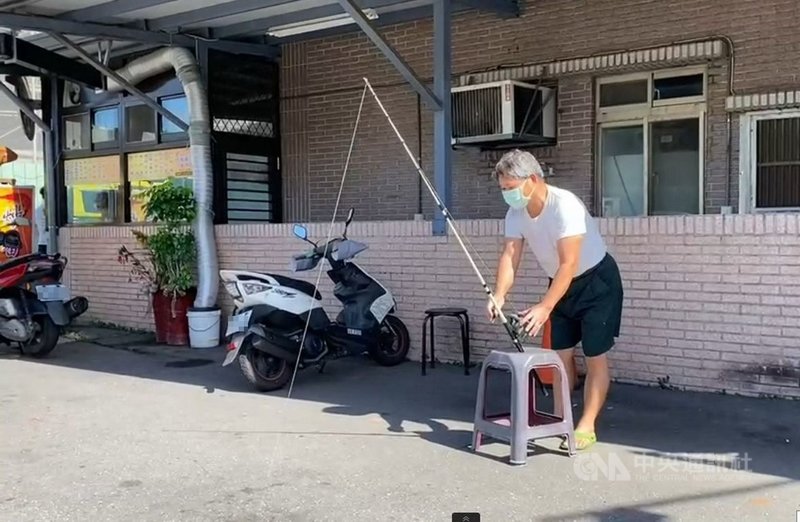
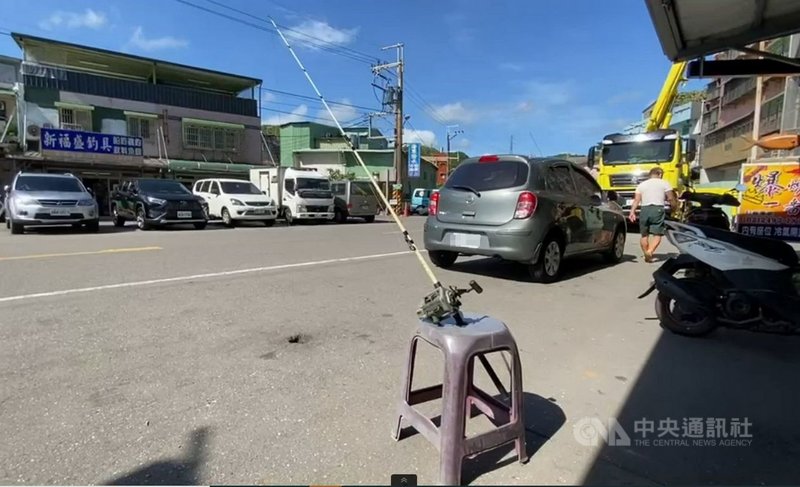
    新北市瑞芳區深澳里長賴孟宏15日表示,深澳路底下原是舊深澳發電廠的冷卻水排水道,近日社區居民在雨水洩水孔「釣魚」,成為另類釣客。(民眾提供)中央社記者黃旭昇新北傳真 110年7月15日
    新北市瑞芳區深澳里長賴孟宏15日表示,深澳路底下原是舊深澳發電廠的冷卻水排水道,近日社區居民在雨水洩水孔「釣魚」,成為另類釣客。(民眾提供)中央社記者黃旭昇新北傳真 110年7月15日

    (中央社記者王朝鈺、黃旭昇新北15日電)新北市瑞芳區民眾在馬路上「釣魚」抓到野生海鰻魚,引起熱議。深澳里長賴孟宏揭秘,原來深澳路底下原是舊深澳發電廠的冷卻水排水道,民眾突發奇想在雨水洩水孔垂釣。

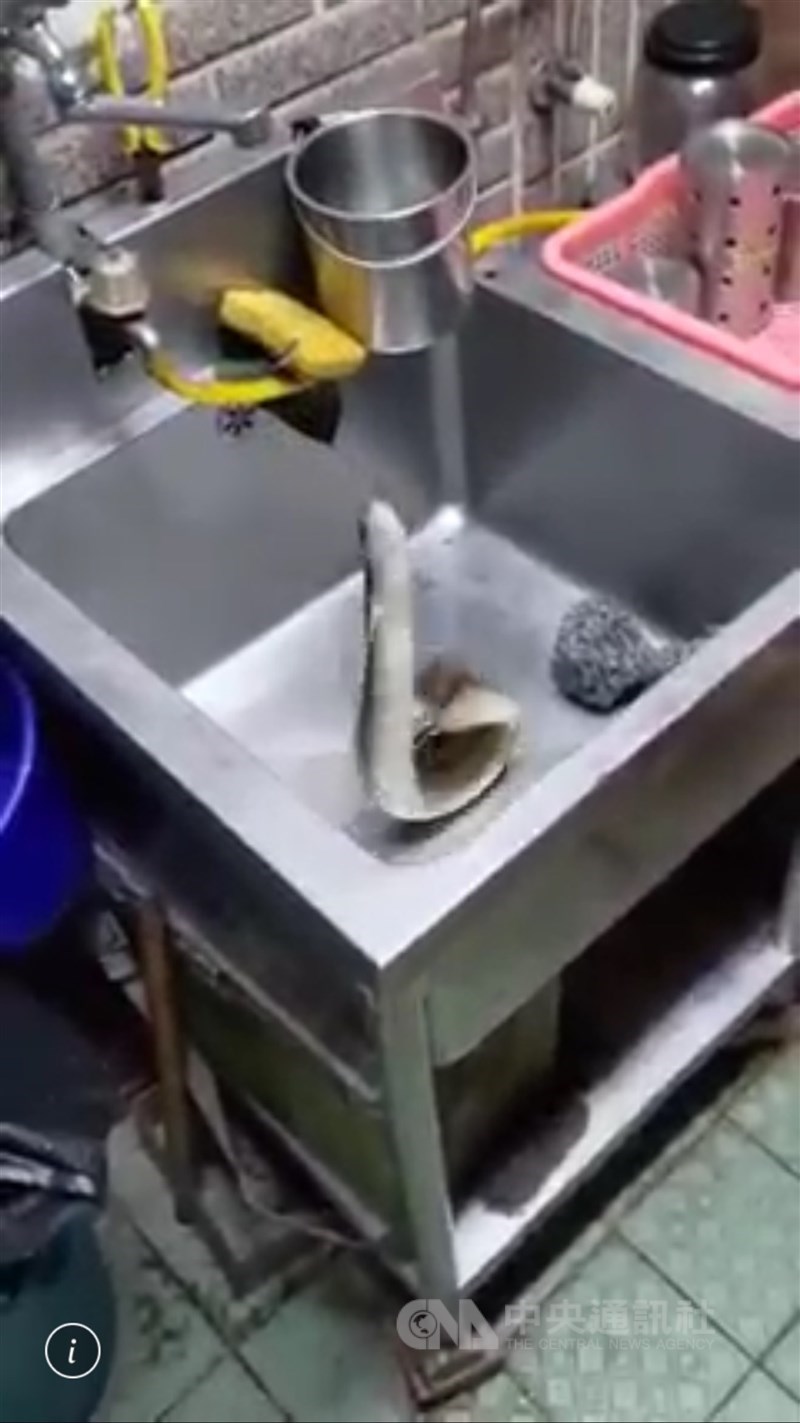
    新北市瑞芳區林姓民眾,近日在臉書(Facebook)社群「爆廢公社」貼照片、影片,貼文表示,他在防疫警戒期間因無聊,看到附近鄰居從家門外的馬路「排氣孔洞」釣出40幾尾鰻魚,11日決定自己試試手氣,使用小卷當魚餌,果真讓他釣到野生鰻魚與紅蟳。

    附近民眾指稱,消息在網路傳開後,現在傍晚也會有人四處找「排氣孔洞」,將魚餌及釣線從孔洞中垂下釣魚。

    新北市瑞芳區林姓民眾15日表示,防疫警戒期間因無聊,看到附近鄰居在深澳路的雨水洩水孔釣出鰻魚,日前決定自己試試手氣,果真讓他釣到野生鰻魚。(林先生提供)中央社記者黃旭昇新北傳真 110年7月15日
    新北市瑞芳區林姓民眾15日表示,防疫警戒期間因無聊,看到附近鄰居在深澳路的雨水洩水孔釣出鰻魚,日前決定自己試試手氣,果真讓他釣到野生鰻魚。(林先生提供)中央社記者黃旭昇新北傳真 110年7月15日

    深澳路為聯結台二線北部濱海公路,沿著住宅、商家一路往深澳漁港港區,延伸至深澳漁港最底部。

    瑞芳區深澳里長賴孟宏今天晚上接受中央社記者電話訪問時表示,深澳路靠近濱海公路處的下方,原來是舊台灣電力公司深澳火力發電廠的冷卻水排水渠道。

    他說,後來深澳路整修拓寬時,將冷卻水排水渠道加蓋,留下一些雨水「洩水孔」,以利於馬路雨水宣洩,目前深澳電廠早已經拆除,但冷卻水排水箱涵仍在馬路下。排水渠道最後聯結海域,因此,會有魚類等生物在排水渠道很正常。

    賴孟宏表示,他自己並沒有在「馬路上釣魚」的經驗,不過,附近社區居民這幾年都有類似經驗。就他所知,網路貼文的林先生也是看到別人,如法炮製在深澳路洩水孔「釣魚」,果然釣到包括野生鰻魚、紅蟳,成為另類釣客。

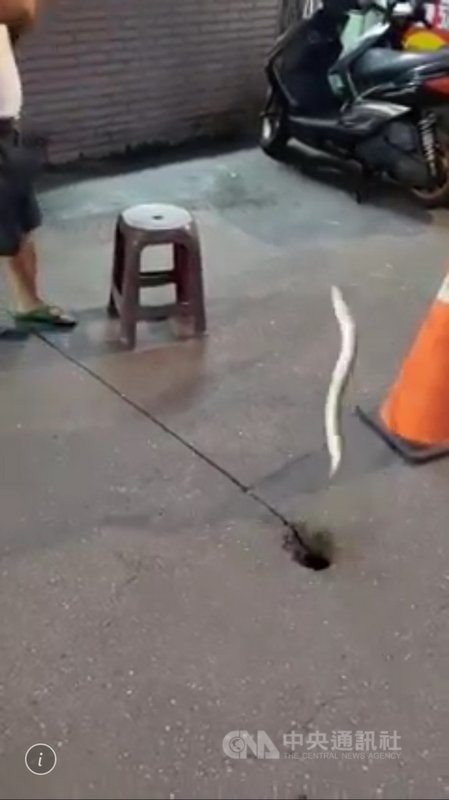
    從臉書社群張貼的影片顯示,林先生住家緊鄰深澳路,釣竿發現「大咬」後,釣竿彎成一條曲線,旁人以台語大喊「有夠誇張」,最後從孔洞中垂釣出一條鰻魚,引起歡呼。

    林先生說,一般因白天炎熱,鰻魚不會咬餌,都是傍晚後才釣得到,最高曾經一晚上釣到40條鰻魚。(編輯:張銘坤)1100715

    新北市瑞芳區民眾在馬路上「釣魚」抓到野生海鰻魚,引發話題。瑞芳區深澳里長賴孟宏15日揭秘表示,深澳路底下原是舊深澳發電廠的冷卻水排水道。(民眾提供)中央社記者黃旭昇新北傳真 110年7月15日
    新北市瑞芳區民眾在馬路上「釣魚」抓到野生海鰻魚,引發話題。瑞芳區深澳里長賴孟宏15日揭秘表示,深澳路底下原是舊深澳發電廠的冷卻水排水道。(民眾提供)中央社記者黃旭昇新北傳真 110年7月15日
    新北市瑞芳區林姓民眾15日表示,防疫警戒期間因無聊,看到附近鄰居在深澳路的雨水「洩水孔」釣出鰻魚,11日自己在家門前試手氣,果真釣到野生鰻魚。(林先生提供)中央社記者黃旭昇新北傳真 110年7月15日
    新北市瑞芳區林姓民眾15日表示,防疫警戒期間因無聊,看到附近鄰居在深澳路的雨水「洩水孔」釣出鰻魚,11日自己在家門前試手氣,果真釣到野生鰻魚。(林先生提供)中央社記者黃旭昇新北傳真 110年7月15日

    Wednesday, July 14, 2021

    日本希望至2050年日本鰻之人工種苗佔100%

     於今年3月23日在日本執政自民黨總部舉行之養殖漁業懇談會(會長為前農林水產部長山本有二元)中,水產廳增殖促進組組長黑萩真悟針對農林水產部「綠色糧食系統戰略」中與水產有關者作概要之說明,人工種苗量產方面,迄2050為止,以鰤魚、杜士鰤、黑鮪及日本鰻之人工種苗佔100%,所有養殖之人工種苗平均佔80%為目標。另外,到2050年為止,養殖飼料方面將對環境造成很大負擔之生餌將100%替換為對環境負荷小、投餵效率佳之混合飼料,而且混合飼料中依賴天然資源魚粉之佔比將減至兩成。據日本養魚飼料協會表示,日本所有養殖魚種飼料之魚粉含量隨秘魯片口鰮的漁獲狀況由2016年度平均魚粉含量為43.7%而逐年增加,到2019年為45.9%及2020年之46.3%。而「綠色糧食系統戰略」是農林水產部自去年9月起開始檢討透過創新以實現農林水產業提高生產與實現永續性的戰略。水產業除了提高人工種苗之市佔率與綠色飼料外,以去年12月公布施行之新漁業法與新漁業資源管理系統遂行,設定到2030年之漁獲量恢復到2010年水準之444萬公噸為目標,及2040年達到漁船電動化、燃料電池化等實用化技術之目標。

    懇談會中也說明鰤魚與鯛魚等養殖與出口之戰略,2025年鰤魚之輸出目標設定為542億日圓,而擬定增產3萬2,000公噸,對此全國海水養魚協會專務中平博史對擔心如何確保飼料之供給表達疑慮,黑萩組長回應時表示:「鯛魚要達成2025年設定之增產目標,必需有12萬5,000公噸的混合飼料,請教過魚粉協會,表示真鰮資源好,且根據日本養魚飼料協會調查日本魚粉製造廠設備之實況,此一混合飼料量有達標之可能。」他進一步表示:「另一方面在育種及替代飼料技術發展方面也有不錯之成果,因此固然養殖密度還有一些需要克服之問題,但正與相關業者尋求解決之道並於現場進行實證活用中。」

    另外中平專務也指出2月16日公布之出口戰略中有關生產區方面,有些積極性很高的地區也被遺漏,希望出席之國會議員能廣納產地之聲音,黑萩組長則表示會進行第2次產區意願之徵詢,展現出水產廳全力衝刺之企圖心。再者水產品安全科也對魚病因應對策中,對促進線上快速診療的大方針做了說明。最後山本會長表示:「今天已凝聚了相當不錯之方向,希望各領域發揮創意全力前行。」


    中國加工鰻在日受到消費者青睞

     日本在重建其全年加工烤鰻零售產品市場後,頗有人氣的日本國產加工鰻與中國加工鰻在今年春天的銷售中受到消費者青睞。根據日本財務部之貿易統計,3月之進口量達1,187公噸,較前一年同一月份之811公噸成長了46%,也是連續2個月持續成長。其後各產地工廠之訂單不斷,直到旺季的夏季可能持續維持高水準之進口,其進口以日本鰻作為原料之加工鰻為主。近年來,因日本鰻苗入池量不佳,中國加工鰻市場之原料幾乎全被美洲鰻所取代,去年起其市場價格行情暴跌致美洲鰻為原料魚已大幅減少。因此其庫存之流通量與庫存量暫時被清空,致最有人氣作為加工製品原料之10公斤箱裝30–35尾活鰻不足,價格行情因而上漲,但也喪失了其價格競爭力之魅力。取而代之2020年漁期(2019年11月–2020年10月)捕獲大量鰻苗而養成為加工鰻原料魚。反倒是去年秋天才入池之鰻苗,因秋冬生長緩慢而沒能於當年上市,在年後10公斤箱裝40–50尾活鰻可作為加工鰻之原料魚,也因此成為日本市場加工鰻之主力。據進口商表示「由於日本鰻的加工利用效益高於美洲鰻,因此即使每40尾一箱者也不會比每30–35尾一箱之美洲鰻差,因此兩者價差如果不拉開的話,還是會優先使用日本鰻」。就2021年度鰻漁期(2020年9月–2021年8月)而言,迄3月為止累計進口量達8,046公噸,較2020年同期增加了56%,2020年下半年銷售額有所成長,導致成為近年來進口量最多的一年,但今年3月以後之進口量還會持續下去,有更新去年進口量之可能。

    但是今年國產加工日本鰻之原料魚生產步伐也比預期還要快,因此就日本活鰻市場而言,對中國活鰻的需求也正在增加中,也導致日本本地養殖池出貨受到抑制,加工鰻魚之生產速度放慢,產品價格也隨之上漲。

    以5月中旬之市場流通行情而言,每包可以980日圓銷售,如果市場價格持續上漲,則不可避免的會超過1,000日圓,這將導致下不了手而中斷銷售之可能。不過由於中國國內的消費也非常暢旺,價格上漲有抑制不了之危險。

    輸日鰻活魚出口價暴跌

     據日本財務部貿易統計數據顯示今年3月份日本從中國進口活鰻496公噸,較2020年同期之230公噸,足足成長了216%。這是由於新冠肺炎流行致消費量減少及與前年鰻苗歉收時相比,進口量有顯著之增加。其價格較日本國產活鰻相對便宜1,000日圓以上,而成為日本國內優先使用之食材。其CIF(含運費、保險費在內)價格平均每公斤1,805日圓,這是由於去年日本鰻鰻苗漁況佳,養鰻各國之入池量增加,導致今年出貨價格便宜,事實上自去年11月以來,其市場行情幾乎沉寂不動。然而由於日本國內活鰻用作烤鰻加工原料魚對中國活鰻的需求旺盛,因此從4月下旬開始單價有反上漲之現象。4月17日之一週中調升3次價格,雖然調整的每公斤價格差不到1,000日圓,但已逐漸步入消費旺季的夏天,其價格與消費走向引人注目。

    另一方面3月份從台灣進口之活鰻有82公噸,比去年同期之69公噸,也有近兩成之成長,每公斤2,040日圓,比中國貨高200日圓左右,但比去年同期輸日之每公斤3,995日圓,令全台灣養鰻業者難以接受,此一大廉價一直到現在都沒有肯定之理由可被接受。據進口業者表示:「以目前之市場行情價格,根本無利可圖,因此台灣鰻魚界抱怨連連,也因此一困境而要請政府提供援助,行政作業期間,更造成流通之停滯」,是獲得台灣政府的援助呢?還是相對於5月下旬後價格已開始上升之中國活鰻,有比較之優勢而促進進口日本呢?值得觀察。

    (李賢忠,摘譯自日刊水產經濟新聞,14 May 2021)

    Sunday, July 04, 2021

    Androgenic Sensitivities and Ovarian Gene Expression Profiles Prior to Treatment in Japanese Eel (Anguilla japonica)


    https://link.springer.com/article/10.1007/s10126-021-10035-6

    Androgenic Sensitivities and Ovarian Gene Expression Profiles Prior to Treatment in Japanese Eel (Anguilla japonica)

    Abstract

    Androgens stimulate ovarian development in eels. Our previous report indicated a correlation between the initial (debut) ovarian status (determined by kernel density estimation (KDE), presented as a probability density of oocyte size) and the consequence of 17MT treatment (change in ovary). The initial ovarian status appeared to be an important factor influencing ovarian androgenic sensitivity. We postulated that the sensitivities of initial ovaries are correlated with their gene expression profiles. Japanese eels underwent operation to sample the initial ovarian tissues, and the samples were stored in liquid nitrogen. Using high-throughput next-generation sequencing (NGS) technology, ovarian transcriptomic data were mined and analyzed based on functional gene classification with cutoff-based differentially expressed genes (DEGs); the ovarian status was transformed into gene expression profiles globally or was represented by a set of gene list. Our results also implied that the initial ovary might be an important factor influencing the outcomes of 17MT treatments, and the genes related with neuronal activities or neurogenesis seemed to play an essential role in the positive effect.

    Introduction

    Androgens stimulate the development of the preantral follicle in mammals (Walters et al. 2012). In fish, androgens participate in the promotion of primary and/or early secondary ovarian follicle growth (reviewed by Monson et al. 2017). The stimulatory effect of androgens has been reported in Atlantic cod (Gadus morhua) in vitro and in coho salmon (Oncorhynchus kisutch) in vivo (Monson et al. 2017). Androgens also significantly promote primary growth (PG) and the pre-vitellogenic (PV) transition in eels in vivo (Anguilla japonica: Huang et al. 2012; Anguilla australis: Lokman et al. 2015). Furthermore, androgen treatment is recommended prior to or during eel artificial maturation (Anguilla japonica: Huang et al. 2020 references therein; Anguilla australis: Lokman et al. 2015; Anguilla anguilla: Mordenti et al. 2018).

    On the other hand, the effects on artificial eel maturation show a high variability among individuals (see Mordenti et al. 2018,); indeed, artificial eel maturation is often unsuccessful (Ijiri et al. 2011; our accumulative observations), or eels do not respond to the treatment (Rojo-Bartolomé et al. 2017). The eels were treated with piscine pituitaries extracts to stimulate ovarian development; both treated eels and piscine pituitaries to use were all from undefined populations, and both might be subject to great individual variation. Indeed, variations in gonadal development prior to hormonal treatment have been reported (Ijiri et al. 1998). The outcome of artificial eel maturation has been found to be related to “the maturity status of parental females at the beginning of artificial maturation trials” (Ijiri et al. 1998) and “the physiological status of the eels just before hormone” (Higuchi et al. 2019). Meanwhile, by tracking the ovarian development prior to and after 17α-methyltestosterone (17MT) treatment in the same eel, the concept has been supported (Huang et al. 2020).

    17MT, compared with piscine pituitaries extracts, can be quantified and described. We showed that the initial ovarian status is an important factor contributing to the outcome of artificial maturation by 17MT; although there was no significant (p > 0.05) difference in the mean of initial (debut, prior to treatments) oocyte diameter, the proportion of oocytes with a diameter over 100 µm in the initial ovary appeared to be an important factor to the outcomes (Huang et al. 2020); we questioned what factors caused the sensitivities to androgens and led to the outcomes. The relationships between the initial ovarian gene expression profiles and the effects of on oocyte development were studied. We postulated that this sensitivity of initial ovaries might be explained based on their gene expression profiles. As the activation and development of ovaries are sophisticated (reviewed by Hsueh et al. 2015; Zhang et al. 2018), myriad factors and ample genes interact with each other to control folliculogenesis (Kallen et al. 2018). Following this concept, high-throughput methods for the large-scale analysis of ovarian gene functions (e.g., Ribas et al. 2019) can be used to approach this question.

    In teleosts, although few studies on ovarian transcriptomes have been reported, there is a lack of transcriptome analysis on early folliculogenesis (reviewed by Zhu et al. 2018). In coho salmon (Oncorhynchus kisutch), 11-ketotestosterone promoted the growth of primary ovarian follicles and altered the ovarian transcriptome dramatically (Monson et al. 2017). In Japanese eel, ovarian transcriptomic information from eels treated with salmon pituitary extracts has been reported (Lee et al. 2017). Artificial maturation in eels appears to be paralogue to “personalized medicine” in human diseases. Identifying a set of gene biomarkers to predict or estimate the outcomes of eel artificial maturation is necessary. This work will be based on the transcriptome and analyses of transcriptomic information.

    Japanese female eels (Anguilla japonica) were treated with 17MT, ovarian transcriptomic data were mined by NGS, and the inter-correlations between 17MT sensitivity and gene expression profiles were analyzed. Transcriptomic data were mined by functional gene classification as well as based on cutoff-based differentially expressed genes (DEGs). Our results indicated that the gene expression profiles of the initial ovary correlated with the outcome of 17MT treatment, and our results implied that the genes related with neuronal activities or neurogenesis in the initial ovary might be an important factor influencing the outcomes of hormonal treatments in Japanese eels.

    Sunday, June 20, 2021

    110年5月15日鰻苗新聞

     2021年5月15日鰻苗新聞

    節錄自<日本養殖新聞>
    2021年度國內外鰻苗的捕撈量及入池量及進出口等都已經接近結束的階段,也將進行最後的調整。台日中韓的總捕撈量,雖然未及去年度大豐收的80多噸,但也達到接近60噸的水準。國內外的鰻苗商異口同聲說「算是不錯的漁季了」。從過去的資料來看,中國是獨占苗頭,台灣雖然所占比率不高,但是掌握了頭期的優勢,也造就國際市場的價格趨於安定。
    (2021年5月14日止,四國入池及捕撈統計) (日本養殖新聞整理)
    >>目前台日中韓的入池量:台灣4,000公斤;日本17,800公斤;中國27,500公斤;韓國6,625公斤。總入池量55,925公斤。
    >>目前台日中韓的捕撈量:台灣5,700公斤;日本10,870公斤;中國38,000公斤;韓國1,800公斤。總捕撈量56,370公斤。

    銷日鰻魚減少 台灣鰻魚價格大跌

     https://youtu.be/qvvraDGTpLo

    2021年5月10日

    台灣從1990年開始成為鰻魚養殖大國,也讓日本指定進口,甚至已經連續兩年鰻苗大豐收,但現在卻因為疫情讓外銷卡關,不只供過於求,價格從每公斤2千元掉到1200元,就連出口到日本的加工鰻魚也被中國大陸的歐洲鰻取代,現在發展基金會就喊話,希望民眾多吃鰻魚,一起救救銷量。台灣鰻魚銷不出去,就靠國內市場消化,除了國道開始賣平價的鰻魚便當外,北市鰻魚一條街也用關東關西不同吃法,搶攻不同客群,還有的祭出當日現殺現烤鰻魚,和很少見的鰭邊肉吸引饕客上門,甚至還說要推出外帶店,希望可以幫忙養殖業消化鰻魚產量。 #鰻魚#鰻苗#美食#八大民生新聞 ※本影片版權歸屬八大電視股份有限公司所有,嚴禁翻拍及下載,非商用歡迎轉貼連結。