Friday, November 13, 2020

109年11月13日鰻苗捕撈概況

2020年11月13日鰻苗捕撈概況
節錄自<日本養殖新聞>
昨晚北部宜蘭、花蓮及南部屏東,根據當地的業者說,都是上一波潮水的鰻苗為主,新的苗還沒發現。南部屏東,漁船4-5公斤、定置網約2公斤,合計6-7公斤。北部宜蘭及花蓮方面漁況有些回復,看多的業者認為應該有20公斤,另一說法17-18公斤,南北部加起來有26-27公斤(前一天北部有10公斤以上)。鰻苗業者的看法並期待地說「跟日本不盡相同之處是下周是此波大潮的後段,可能會是高峰」。南北合計累積數量加上漏聽到加總起來約180-190公斤。
2020年11月12日鰻苗捕撈概況
節錄自<日本養殖新聞>
昨晚,北部宜蘭受到強風的影響,出海作業捕苗船非常少。感覺定置網及手撈網的漁獲有增加,合計約15-16公斤吧?!。南部屏東縣儘管沒有強風,但是業者表示「捕苗船的漁獲大幅減少,加上定置網的數字約6-7公斤左右。漁民們就等明晚開始的潮水了。」南部跟北部加起來約25公斤,12號為止總捕撈量155-165公斤。

Wednesday, November 11, 2020

109年11月11日鰻苗捕撈概況

2020年11月11日鰻苗捕撈概況
節錄自<日本養殖新聞>
台灣
昨晚,宜蘭、花蓮、屏東的捕撈情形,感覺南部屏東有慢慢增加的趨勢,北部則沒有增加。屏東的業者表示「以屏東縣漁船為軸心,昨晚捕撈13-15公斤,比前一天好。雖然無法掌握正確船隻數量,但是每艘船都有增加500-1000尾的捕撈量。抓到的鰻苗體型5000尾約900公克左右。是新苗而且是不錯的苗。」北部宜蘭花蓮方面,根據商社透露「跟南部的20公斤比起來,真的是不值一提,比起前一天還少了10公斤」。因此,南部及北部的捕撈量應該在23-25-30公斤的範圍之間。
11號為止,南部及北部的總捕撈量,很快地就超過了100公斤,超越去年的水準,目前推估120-130公斤,後續的動向有待好好的關注。
日本
【濱名湖的試驗性捕撈,久違6年在第一次就捕抓到7尾鰻苗。(10號晚上置網,11號收網)】
靜岡縣水產技術研究所濱名湖分所會在每年濱名湖鰻苗漁期解禁之前,進行3次以資源調查為目的的試驗性捕撈。
今年第一次在10號晚上於濱名湖的鷲津和雄踏兩個地方設置捕撈網,並在隔天早上收網,結果雄踏地區成績為0,鷲津地區則抓到了7尾。試驗性捕撈第一次就抓到鰻苗,這已經是在平成27年(2015年)了,事隔6年,業者們相當期待的表示「應該可以跟去年一樣吧!!」
  捕撈上來的苗,根據分所表示「體長從5.6公分到6.1公分,平均5.76公分,重量約0.14-0.19公克,平均0.16公克。」跟去年相較,略小了一點。

Monday, November 09, 2020

基因降維((dimension reduction)至數個基因通路

目的:將一萬多個基因降維((dimension reduction)至數個基因通路差異
圖一:
鰻魚以雄性素處理,同一隻魚的卵細胞卵徑發育情形 (以機率分佈表示;我們認為0.1 mm 是一個敏感性分界,野生的銀鰻卵徑在0.3 mm以上) ,2613 與 1440 最終卵徑統計上是沒顯著差異的,但在卵徑分佈上是有差異的 (拖尾或凸肩)(上圖左邊),這情形符合基因表的差異熱圖(基因數目=12135個)上圖右邊)。


圖二:
根據熱圖,採取簇集(clustering)分析,將表現程度不同的基因分群,將同群基因以KEGG為本進行基因通路富集分析(gene set pathway enrichment analysis),再將各隻鰻魚所得的富集結果畫出文氏圖 (Venn diagrams),以交集情形推測造成外表型(phenotype)差異的基因基礎與基因背景。本圖為上調的基因通路。

109年11月8-9日鰻苗捕撈概況


2020年11月8日鰻苗捕撈概況
節錄自<日本養殖新聞>
昨晚台灣北部的宜蘭,因為前天開始有近2位數的增加,所以大家都有所期待。多數的海內外的業者說「前晚6號那天宜蘭的漁獲開始增加。雖然大家都說5公斤左右,但是有一部分宜蘭當地的業者說,以在地人的感覺,應該數量會更多,接近10公斤左右吧!」
昨晚(7號)有不少業者單看宜蘭的漁船漁獲應該超過20公斤來到25公斤之多,甚至還有捕超過2000尾的船。業者之間的看法「除了宜蘭的船隻,其他如定置網,手撈網再加上南部屏東縣的漁獲量,應該有30公斤左右吧?!鰻苗也開始變成新苗了。」台灣7號目前的捕撈量,前天以10公斤計算,應該在25-30公斤的範圍。8號現在,如果加上近30公斤的漁獲量,那麼應該有55-60公斤,比原先預測的漁況還要好。

2020年11月9日鰻苗捕撈概況
節錄自<日本養殖新聞>
昨晚北部宜蘭的漁船漁獲稍微減少加上定置網及手撈網10-12-15公斤(包含花蓮縣),屏東縣約3-5公斤,合計約15-20公斤。這波潮水的鰻苗體型,依據業者表示「5000尾約860公克。」9號為止的總捕撈量約75-80公斤吧!。

Saturday, November 07, 2020

109年11月06日鰻苗捕撈概況

109年11月06日鰻苗捕撈概況 節錄自<日本養殖新聞> 11/5(週四)宜蘭有70-80艘船出海,平均每船500-600隻,加上定置網大概5公斤,屏東風浪大,船出不去,定置網大概2公斤,至今總量以宜蘭為主,宜蘭大概16-17公斤,累計至6日的總量應該有30公斤了。

Sunday, November 01, 2020

109 年 10 月 30 日鰻苗新聞

 109 年 10 月 30 日鰻苗新聞

節錄自<日本養殖新聞> 台灣從明晚開始鰻苗期解 禁!! 2021 年度(2020/11-2021/5)海內外的鰻苗漁期的頭陣,將於 1 日在台灣開始! 一直在探測漁況的當地業者針對解禁的狀態表示「今年的過年(2/12)跟去年(1/25)相較晚了許 多。此外,今年最初的暗夜大潮在中旬就會出現,去年是因為前二年都歉收所以漁民們之間氣勢都沒有,就算解禁,短期間出海作業船隻也是有限。大概就是定置網的設置及手撈網的部分吧!!」。 回顧去年,眾所皆知台灣一開始的漁況是不錯的,接下來中國及日本也雙雙受到豐收的惠澤。當時 的前兆,就是台灣在解禁前的測試性捕撈吧?!南部屏東縣比北部宜蘭、花蓮縣先捕撈到,因此 「這是近年來沒有的現象,今年應該可以」 的聲音在漁民之間廣傳。從南部屏東縣開始接著北部花蓮、宜蘭等地範圍廣闊的陸續確定魚汛,是 往年所沒有的情況,至今仍然記憶猶新。 今年的漁期,依據前述的業者表示「10 月上旬在北部的宜蘭就已經確認鰻苗的漁蹤了。不過這 些鰻苗不知道是不是前一波潮水回游的魚苗,身體都帶有灰色色澤。在 20 號之前,宜蘭、花蓮及南 部屏東縣都有發現新苗。雖然距離潮水進來上有一段時間,但是目前收集到的鰻苗已經有 5000- 6000 尾了。昨天跟今天的鰻苗(相片 A)跟最早(相片 B)的有所差異,是體型瘦長的鰻苗,感覺是有 些時候了,也許是最早的鰻苗也說不定」。目前尚在初期階段,過去每次的漁季跟會跟吻仔魚捕撈重 疊,而且鱸鰻苗也會混雜其中,不過現在尚無此現象發生。也許跟舊曆年較晚也有關連吧?! 不論如何,明天晚上台灣的鰻苗漁期即將解禁。首先,潮水狀況不佳及去年漁季從一開始就有 預想不到的屏東持續捕撈漁獲,然後宜蘭的最大的捕撈漁獲再加上花蓮,今年的漁況值得期待。

Sunday, October 25, 2020

Pêche professionnelle de civelles


Pêche professionnelle de civelles : consultation publique ouverte jusqu'au 13 octobre 2020 !

© DR

Le Ministère de l'écologie a publié un projet d'arrêté relatif à l'encadrement de la pêche de civelles par les pêcheurs professionnels pour la campagne 2020-2021, en consultation publique depuis le 22 septembre et jusqu'au 13 octobre 2020.

Cycle de vie de l'anguille européenne

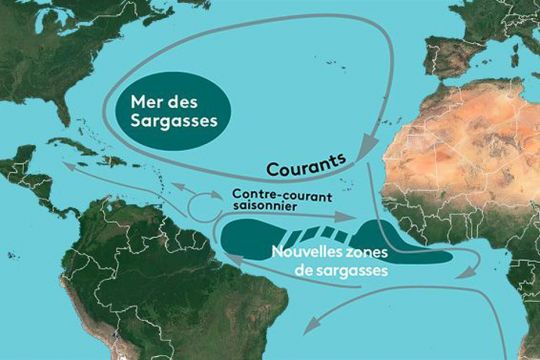
L'anguille européenne (Anguilla anguilla) vit environ une dizaine d'années en eau douce où elle va passer successivement du stade juvénile (civelle = anguille de moins de 12 cm) au stade d'anguille jaune jusqu'au stade d'anguille argentée (stade reproducteur) qui se lancera dans la traversée de l'Océan Atlantique pour aller se reproduire dans la mer des Sargasses. Après reproduction les adultes meurent et les civelles regagnent l'Europe après une traversée de plusieurs mois en suivant le cours du Gulf Stream.

France Ô ©
France Ô ©

Effondrement des populations

Encore abondante il y a 50 ans, le nombre de civelles s'effondre depuis 1965 en Europe. La faute à l'effet combiné du braconnage, de la surpêche, de la pollution, de la construction de barrages infranchissables, de la destruction de son habitat en zone humide ou encore du réchauffement climatique qui modifie les courants marins et notamment le Gulf Stream ce qui influe sur le nombre de civelles arrivant de la mer des Sargasses en Europe.

L'anguille européenne est classée en danger critique d'extinction par l'UICN (Union Internationale pour la Conservation de la Nature) et l'espèce fait l'objet d'un plan européen de sauvegarde depuis 2007. Par ailleurs, elle fait partie de la liste rouge des espèces menacées d'extinction en France.

2 quotas de pêche

Il existe 2 types de quotas différents censés encadrer la pêche professionnelle maritime (en estuaire) et en eau douce des civelles : un quota de pêche de civelles destinées à la consommation humaine et un quota de pêche de civelles destinées au repeuplement, c'est-à-dire au transfert de civelles pour des alevinages en Europe.

Il est envisagé de fixer le quota de pêche de civelles destinées à la consommation humaine à 23 tonnes, soit une réduction de 11,5 % par rapport à celui fixé pour la campagne 2019-2020, alors que le quota de pêche de civelles destinées au repeuplement fixé à 34,5 tonnes.

Des mesures qui posent question

De telles mesures interrogent sur l'intérêt qu'il y a de continuer à autoriser le prélèvement légal d'une espèce menacée d'extinction et faisant l'objet de mesures de protection à l'échelle européenne.

Il entrerait en vigueur le 1er novembre 2020 mais vous pouvez donner votre avis sur cet arrêté en consultation publique depuis le 22 septembre 2020 et jusqu'au 13 octobre 2020 inclus en suivant le lien ci-dessous :

日本鰻及花鰻是生態系之象徵性與代表性魚種

 由日本神戶大學理學研究學系研究員板倉光、東京大學海洋大氣研究所特任研究員脇谷量子郎、倫敦動物學會馬修.高洛克博士及日本中央大學法學部助理教授海部健三等組成之國際研究團隊於今年5月29日在英國科學誌「Scientific Reports」發表之論文指出兩種鰻魚(日本鰻及花鰻)有可能是淡水生態系中作為生物多樣性保護的象徵性物種(生態系的代表種)。據此該國際團隊表示鰻魚屬魚類是世界上首次被認為可能作為生態系象徵性物種。據此推測,透過養護與復育河流環境來復甦鰻魚屬魚類之個體群的運動將有助於養護與復育棲息在河流水域之整個生態系統。

此一研究是利用電氣漁法於日本國內之6條河川78個地點採集鰻魚屬魚類及其他淡水生物,以調查其分布範圍、食物鏈及其營養階層,以累積相關之生態系知識,其結果顯示日本鰻及花鰻在6個河川流域中是分布最廣的淡水物種,就其營養階層而言,也證明其是高層次的掠食者,與生態系之象徵性、代表性魚種之概念一致。

此一結果不只在日本,也應該是世界上淡水生態系生物多樣性保育的象徵性物種,但是否適用,有待於源遠流長之中國大陸河川進行實證調查。

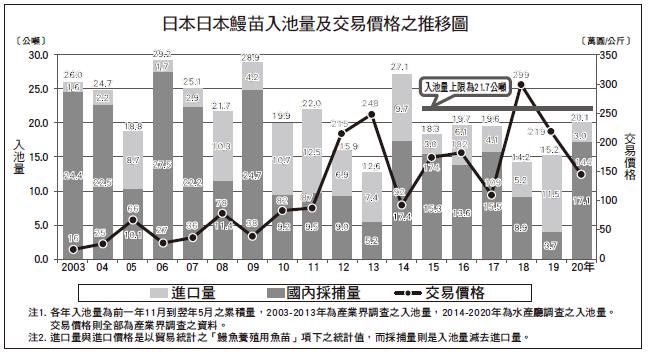
日本鰻苗漁業2020年漁期(2019年11月-2020年10月)之國內鰻苗平均價格比去年便宜34%

 日本水產廳於今年6月26日公布日本鰻苗漁業2020年漁期(2019年11月-2020年10月)之國內鰻苗平均價格為每公斤144萬日圓(比去年便宜34%)。今年鰻苗漁業雖然確實在豐收下結束,但因2018-19年連續兩年均為歉收年,今年漁期初為確保有一定之入池量,業界紛紛以高價購入鰻苗,因為市場行情沒有大崩跌。但這是日本自2015年漁期以後採取經國際合意之入池量限制以來,價格只比2017年漁期每公斤109萬日圓為便宜的一年。比入池量限制開始前10年之每公斤平均83萬日圓價格,更貴了約七成。

日本今年迄今為止日本鰻苗之入池量已達20.1公噸,已達入池量配額21.7公噸之93%。事實上迄今年3月底為止,日本有鰻魚養殖業大多數都道府縣的入池量已接近上限,但全國海岸仍然有許多鰻苗持續來游,各都道府縣只得提前發出禁漁通知。

今年日本鰻苗之入池量中,本國採捕量為17.1公噸,佔85%此一採捕量比率與2009年漁期相當。另外,今年鰻苗進口量約3.0公噸,是2015年漁期之3.0公噸以來最少之一年。最近之2019年由於日本國內漁況嚴重不佳,國產鰻苗只佔日本入池量之24%,進口量佔76%。而今年6月開始,入池之鰻苗通常以小型活鰻形式開始出貨上市。然而此一漁期由於入池時間稍早,因此出貨稍晚,但不管如何,早秋以後一定進入出貨旺季,不過應覺悟價格可能要有比去年便宜幾成。

33309

Thursday, October 08, 2020

Et si les anguilles ne naissaient pas près des Bermudes ?


Et si les anguilles ne naissaient pas près des Bermudes ?


https://www.lemonde.fr/sciences/article/2020/10/06/avis-de-revolution-autour-du-mystere-de-la-reproduction-des-anguilles_6054923_1650684.html
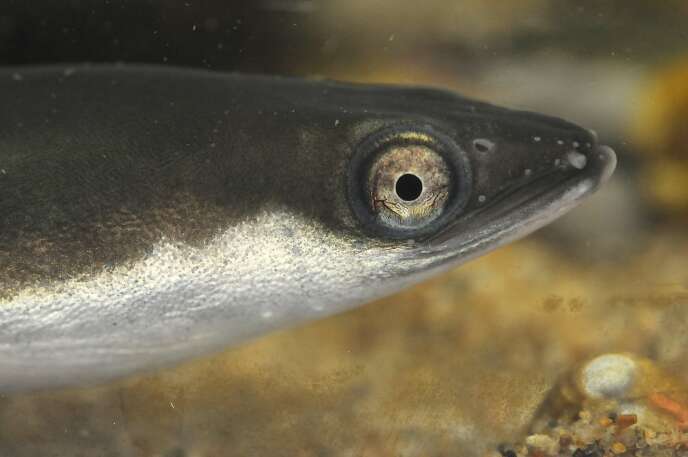
Anguille femelle, au stade argenté, attendant une crue d’automne du Frémur, en Bretagne, pour quitter la rivière où elle a grandi pendant une dizaine d’années et entreprendre sa migration de reproduction marine.

Ce n’est pas un pavé dans la mare, plutôt un caillou dans l’océan. Pourtant l’article que publie, mardi 6 octobre, dans la revue Scientific Reports, une équipe franco-japonaise pourrait déclencher un tsunami chez les biologistes marins, et plus largement chez les amateurs de mystères irrésolus de la nature. Quatre chercheurs proposent en effet de déplacer la zone principale de ponte des anguilles européennes et américaines de quelque 2 000 km. Le grand public n’y verra sans doute que broutilles de spécialistes. En réalité, cette affirmation est tout à la fois révolutionnaire et iconoclaste, remettant en question un postulat établi depuis un siècle par le père de la discipline, l’homme qui avait résolu une interrogation millénaire.

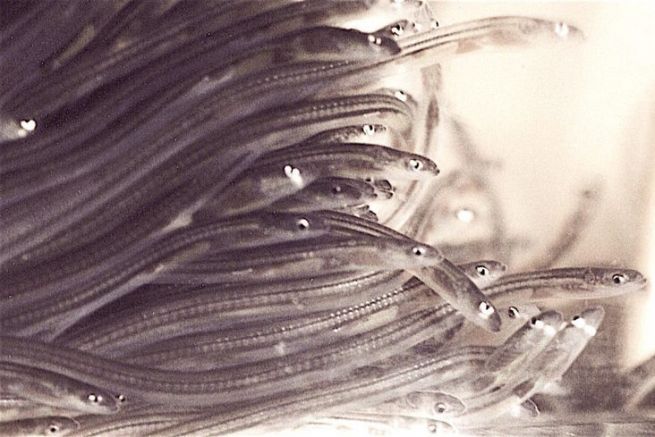
Depuis Aristote et Pline l’ancien, les savants s’interrogent sur le mode de reproduction des anguilles. Elles vivent en rivière, puis un jour – après cinq à quarante ans d’existence –, elles dévalent vers la mer et disparaissent jusqu’à ce que, des mois plus tard, des civelles, ces formes juvéniles du poisson, regagnent les côtes. Que se passe-t-il entre-temps ?

En 1912, après des années de campagnes, le Danois Johannes Schmidt découvrait des œufs et des larves dans la mer des Sargasses, près des Bermudes, à des milliers de kilomètres des côtes européennes. Les années passant, la science confirmera que les larves de la mer tropicale et les poissons de nos rivières relèvent bien de la même espèce. Elle lèvera le voile sur le cycle de vie de l’animal, ses métamorphoses, son incroyable résistance et ses capacités de nage hors du commun. Elle vérifiera qu’il peut s’orienter en suivant des odeurs, la lumière, ou le champ magnétique terrestre, laissant entrevoir la façon dont il pourrait atteindre sa zone de ponte. Mais jamais on ne retrouvera d’anguille adulte dans les fameuses Sargasses. Des scientifiques ont même équipé de balises plus de 700 anguilles prêtes à se reproduire et les ont relâchées sur toute la côte européenne. Aucune n’a dépassé les Açores.

Saturday, September 26, 2020

Keeping It Eel: How One Historian Is Using Twitter and Medieval Factoids to Help Endangered Animals

John Wyatt Greenlee looks at a gyotaku print of an eel by Bruce Koike in Sept.
 
Vanessa Greenlee
 
SEPTEMBER 25, 2020 4:56 PM EDT

Encounter an eel nowadays, and it’s likely in a sushi roll. Or maybe in your nightmares, inspired by the flesh-eating shrieking eels in The Princess Bride or the moray minions of The Little Mermaid.

But perhaps the creature’s reputation is in for a change. After all, unbeknownst to eels, they now have a great publicist—a medievalist who aims to transform their image from villain to environmental hero.

John Wyatt Greenlee, who completed his Medieval Studies Ph.D. at Cornell in May and runs what he calls “the world’s premier eel-history Twitter account,” believes that if people saw eels as part of their cultural heritage and identity, perhaps they’d be more likely to care about the animals’ future. The European eel is a critically endangered species, and as environmental advocates use World Rivers Day on Sept. 27 as a moment to talk about the importance of protecting those ecosystems, Greenlee hopes surprising stories about eels can inspire more people to get involved with such efforts.

“They’re not cute, cuddly or majestic so it’s difficult to get people interested in saving them,” says Greenlee. “The scientific community’s been trying for a really long time to convince people that it’s worth doing, but you seldom convince people by throwing facts at them.”

Greenlee had been tweeting about eels in medieval texts for about two and a half years when, at the end of 2019, his quest got a boost, in the form of a tweet about the fact that eels used to be a form of currency:

The tweet racked up thousands of likes and hundreds of retweets, was widely shared among a group of medievalists and historians who are active on Twitter, and led to some mentions on popular podcasts.

The attention has been yet another twist in the 44-year-old scholar’s surprising journey to becoming an expert on the history of eels. He calls himself the “Surprised Eel Historian” on Twitter because, as he put it to TIME, “This was not the topic I intended to write about, so I have found myself surprised to be an eel historian.”

The Age of Eels

Greenlee, a former college volleyball coach turned expert on medieval map history, got into the subject in 2015, after his curiosity was piqued by a 1647 map of London that labeled vessels in the Thames “the eel ships.”

More research revealed a backstory that involved everything from changing British demographics in the early modern period to international trade disputes. As London boomed, the city’s population began eating so many eels that the domestic stock couldn’t keep up, so Dutch imports filled the gap until the import of eels via the Thames was temporarily banned in the latter half of the 17th century during the Dutch-Anglo trade wars. From there, Greenlee’s interest grew.

In combing through medieval financial records, writing and art, going back to the eighth century, he was struck by the extent to which people in medieval England and early modern England used eels to identify themselves—a phenomenon that became the subject of his dissertation in 2017.

Scholar Thomas Bradwardine‘s 14th century book of mnemonics likens eels to England, advising readers to imagine the King of England holding in “his right hand an eel [anguilla ] wriggling about greatly, which will give you ‘England’ [Anglia ].” Family crests boasted eels. In the Bayeux Tapestry, which depicts the Norman conquest of England by William the Conquerer in the 11th century, the image of Anglo-Saxon King Harold shows him above a pile of eels. An Englishman in the bottom border is holding an eel the wrong way—by the tail, rather than the head—perhaps symbolizing Harold’s hold on the English throne, represented by eels, slipping away.

But eels were more than a metaphor. In 1086, when the Normans undertook a study to figure out how people lived in the countryside they had conquered and how much it was worth, known as the Domesday Study, they collected more mentions of rents paid in eels than any other in-kind tax. When the survey was conducted, the English likely owed some 500,000 eels in taxes to landlords around that time. As part of his dissertation research, Greenlee created an interactive map of eel rents paid between the 10th and 17th centuries, and used the British Archives’ medieval currency converter to calculate what eel rents could mean in today’s dollars. He estimated at one point that an Amazon prime membership, for example, would cost between 150-300 eels.

Many landlords collecting rent payments in eels were monasteries; being paid in eels meant the monks would have enough fish to eat during the Lenten season when they couldn’t eat meat. The fish was thought to be the perfect food to eat to suppress sexual thoughts during this fasting season.

Eels were also valuable to nobles, who ordered tens of thousands of eels for feasts. Eels were “the most commonly served freshwater fish in noble English households,” according to Greenlee. Henry I loved eels. Henry II gave his otter hunter a piece of property on the condition that he could stop by for meals of eels.

The 1348-49 outbreak of the Black Death may have been a factor in an over 90% decline of English eel-rents due annually between the 13th century and the 14th century. The population had declined, land-use norms had changed and other sources of protein like beef, pork and mutton were more readily available. The Netherlands, meanwhile, got into the eel-trading business partly because the plague had driven people away from outbreaks in the Dutch countryside, allowing businessmen to buy up abandoned swampy spaces that made friendly habitats for eels.

Greenlee found eels in every aspect of life. “Medieval England had an eel culture in the same way we think of England having a tea culture,” he says.

He found medieval European recipes for eel flan, minced eel pie and eel broth. The English made wallets, clothes and wedding bands out of eel skin. Medieval medicinal remedies suggested snorting eel skin to stop bloody noses. A remedy for perking up a tired horse called for a rather unsavory use of a live eel. Eels were commonly the subject of jokes, from sexual innuendos to religious insults. In addition, eels appear in Shakespeare’s writing more than any other fish.

Get your history fix in one place: sign up for the weekly TIME History newsletter

Before They Slip Away

Today, for Greenlee at least, the eel culture endures. Strangers send him stories about eels or photos of eel oddities—canned eel, eel jerky, a deodorant labeled “free of eels”—and someone even sent him hand-sewn masks with eel illustrations for his wife and two sons. And, as his Twitter feed began to accumulate more followers, he realized his research could be put to use beyond scholarly circles.

Since the early 20th century, the European eel population has been in decline, a shift attributed largely to industrialization, especially the draining of wetlands and the addition of new barriers to fish migration. A century ago, eels made up about half of the fish by weight in most European waterways. Today, while it can be hard to generalize about the status of the eel worldwide—there at least 16 species that can be found in 150 countries—they face many of the same problems as other migratory freshwater fish. In July 2020, the World Wide Fund for Nature reported that migratory freshwater fish species have declined by 76% on average over the past four decades, and by 93% in Europe in alone, due to hydropower, overfishing, climate change and pollution.
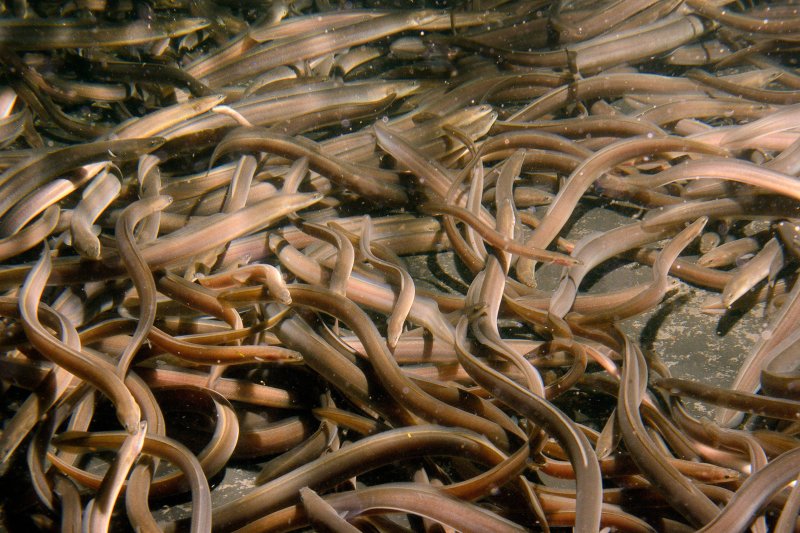
European eel elvers for a reintroduction swimming in a large holding tank in Gloucester, U.K.
 
Nick Upton—Alamy

Wildlife trafficking also threatens the health of the eel population and the health of the human population too. The European eel is one of the world’s most smuggled animals, fueling an illegal trade worth more than $3 billion, and the Europol wildlife crime division estimates that more than 300 million glass eels are smuggled from Europe to Asia each year. Nick Walker, a conservation biologist and director of Eel Town, a non-profit for the conservation of freshwater eels, credits Greenlee with raising awareness about “the importance of eels to humans throughout history, especially in medieval Europe.”

This framing could be vital to their future, as for years conservation advocates have known that “charismatic megafauna”—mammals that look cute and cuddly—draw in donations that don’t often accrue to the protection of less-charismatic species. Like, say, eels.

The stakes are high. As Walker points out, it’s clearer than ever that wildlife trafficking of the sort that harms eels is dangerous—the zoonotic origins of the novel coronavirus raised awareness of the connection between the animal trade and human health—and also that eels play a key role in keeping ecosystems healthy. For example, in the U.S., Eastern elliptio mussels, which act sort of like water filters, disperse themselves by hitching a ride on American eels.

“Eels are a very important part of a fully-functioning freshwater river system,” says Andrew Kerr, chairman of the Brussels-based Sustainable Eel Group. “You take the eel out, and you completely disrupt the food chain. Eels are a moving protein of very nutritious fat that many species feed off and they in turn feed off others.”

Recently, some crackdowns on trafficking and increases in population growth, following efforts to recreate wetlands and remove dams, have given eel-conservation advocates hope.

As for Greenlee, while he works on figuring out his post-doc academic career, he’s homeschooling his kids and keeping the Twitter account active, and looking for a publisher to turn his eel history dissertation into a book. “People all over the world eat eels. So focusing on this fish in this one place in this period of time is a way of getting people to think about culture more broadly,” he says. “Historians, at a basic level, are storytellers, and you tell an interesting story by getting people to relate to the topic.”

And there’s plenty of story to tell. As he puts it, eels aren’t just vital to their ecosystems, but also to the “story of who we are.”

Wednesday, September 16, 2020

沖永良部でシラスウナギ人工生産成功

沖永良部でシラスウナギ人工生産成功 量産化技術確立へ 新日本科学

(2020/09/15 23:00)
沖永良部島事業所でふ化したニホンウナギの仔魚・レプトセファルス(新日本科学提供)
 ニホンウナギの人工種苗生産研究を進める新日本科学(本店・鹿児島市)は、和泊町に昨秋開設した沖永良部島事業所で、天然海水による稚魚(シラスウナギ)の人工生産に成功した。「量産化の技術確立に向けて準備が整った」として、2023年までに1万匹の生産を目指す。

 ニホンウナギは絶滅の恐れがあり、天然の稚魚の採捕量は減少傾向が続く。官民で人工稚魚生産の研究が進んでいるが、ふ化後に稚魚まで育てるのが難しく、量産化の壁になっているという。

 医薬品開発受託・研究の新日本科学は14年、鹿児島市で研究を開始。17年には人工海水を使った閉鎖循環システムで稚魚生産に成功、18年からは指宿市に薩摩うなぎ研究所を設け、大量生産に向けた研究を進めてきた。

 沖永良部島事業所は昨年10月、天然海水による実証研究施設として伊延港近くに設置した。親ウナギから採取した卵と精子を人工授精させた受精卵が今年3月頃ふ化。飼育期間が180日に達した今月、体長5センチほどに育った仔魚を、稚魚に変態させることに成功した。

 現在、飼育を始めた仔魚が稚魚になるまでの生存率は1%未満。まずは5%まで向上させるのが目標で、餌の開発を進める。永田良一社長は「事業化に向けた研究へステップアップできる。将来は規模を拡大し、島の雇用創出に役立てたら」と話している。

Monday, September 07, 2020

10 Evidence-Based Health Benefits Of Eating Eel Fish

10 Evidence-Based Health Benefits Of Eating Eel Fish


Eel fish, although it is mainly to be found in Asian regions, eels have been a world wide consumption commodity. Most people avoid eating it due to its resemblance of a small snake, but many are enjoying eating eel. Are you one of them? If your answer is yes, then you are in luck. Many kinds of research have found various health benefits and that eels contain nutrients that are higher than any types of meat.

You may also read :

Nutritional Data of Eel

Here are the nutrients of Eel Fish:

NUTRIENTSAMOUNT
Cholesterol257 mg
Sodium104 mg
Proteins38 g
Water139 g
Ash2.9 g
CALORIES
Total Calories375
Calories From Carbohydrates0.2
Calories From Fat215
Calories From Protein161
FATS & FATTY ACIDS
Total Fat23.8 g
Saturated Fat4.8 g
Monounsaturated Fat14.7 g
Polyunsaturated Fat1.9 g
Total Omega-3 fatty acids1332 mg
Total Omega-6 fatty acids400 mg
VITAMINS
Vitamin A7093 IU
Vitamin C3.7 mg
Vitamin E (Alpha Tocopherol)8.2 mg
Thiamin0.3 mg
Riboflavin0.1 mg
Niacin7.1 mg
Vitamin B60.1 mg
Folate30.6 mcg
Vitamin B126.1 mcg
Pantothenic Acid0.1 mg
Choline133 mg
MINERALS
Calcium40.8 mg
Iron1.0 mg
Magnesium40.8 mg
Phosphorus441 mg
Potassium555 mg
Sodium104 mg
Zinc3.3 mg
Manganese0.1 mg
Selenium13.3 mcg

Based on the data above we have clearly seen that eel contains also all vitamins and minerals which are needed by the body to function. We have listed some of the health benefits of eating eel below.

1. Rejuvenating 

Rejuvenation or also known as body refreshing. Eel possess a certain substance that is best for rejuvenation your whole body. That is to make your body stays cool in the heat of summer. Apart from acting as a body cooler, eel can also help your body fights with any toxic materials inside your body or the dead cells.

Related Articles :

2. Decrease Bad Cholesterol

If you have not already known this, there are types of cholesterol, the good and the bad one. Just as the name says, good cholesterol is needed by your body to function properly. However, bad cholesterol will over populate your blood and create a wall starting from your heart. This wall will an obstacle for your blood flow and the beginning of many other diseases on your body, including many heart –  related diseases. Another health benefits of eating eel are that it can help you to destroy the bad cholesterol from getting into your blood.

You may also read :

3. Good for eyes and brain

In the early stages of some researchers, eel has shown great contribution on the brain development and nerves system function. It also promotes better and healthier eye sights. For people who are struggling with certain types of eye sight problems, consuming eel is a better solution than spending money on those eyes surgeries and glasses.

Related Articles :

4. Reduce Chance of Diabetes

Diabetes is a condition where your insulin production is being used more to burn the carbohydrates you have take and less to control the blood sugar in your blood. Since eel has less or minimal amount of carbohydrates and high in protein, the protein can help with the productions of insulin and be maintaining the blood sugar level in your body. Therefore, reducing any chances of developing any types diabetes, especially type – 2 diabetes.

You may also read :

5. Decrease Cardiovascular 

There are many types and reasons for cardiovascular diseases and being the number killer in the world, it is also most feared. The eel has been found with the one of highest omega three fish This can delay the development of diabetes and any heart – related diseases. Apart from that, we already know that eel can help to fight bad cholesterol being in formed in the blood system and also it can help to destroy any bad cholesterol which is already being formed in your blood.

Related Articles :

6. Health supplement 

In many Asian regions, such as  Japan and Korea, also along with some parts of Europe, people are developing eel supplements which are believed to renewed strength, especially in elderly people. Korean people also believe that eel is the best source of stamina, vitality, and energy. The making of these supplements is also fairly simple. The skin, flesh, and bones of the eels are being capsulated and ground to powder form.

You may also read :

7. Stronger Bones 

The eel has high amount phosphorus in its meats. If you desire to have strong and healthy bones, then start to consume eel regularly. The eel will also help you to avoid or to minimize the occurrence of bone loss, also knows as osteoporosis. You may say that this is the same benefits from drinking milk, eating yogurt or consuming shrimp. But the amount of phosphorus in eel is higher than any of those combined.

Related Articles :

8. Prevent Anemia 

The eel is also high in Iron. Iron is the most needed substance in forming blood in your body, especially the hemoglobin in the blood cells. Hemoglobin is required as the oxygen is being carried by your blood to your entire body. With high in iron, consuming eel can help you to prevent anemia. It can also help to restore your immune system when your immune system has been compromised by a virus or bacterial attacks.

You may also read :

9. High in Calories and Vitamins

Calories and vitamins are the duos which your body need to perform its day to day activities. Calories will be burned to give your body the energy to go through its daily activities while vitamins will give your body the boost, from the immune system to your eyes sights. You may get calories from eating rice, however since rice is high in carbohydrates, it will also create another new problem for your body, that is the chance of getting diabetes can be increased. However, it is not the same with eel.  The eel also rich in many vitamins such as Vitamin B, Vitamin C, and Vitamin A. Those vitamins can also help your blood from being clotting together and useful for the reproductive system.

Related Articles :

10. Helps Fight Cancer

Cancer is the most deadly and feared disease in the world. There are many types of cancers, blood cancer, lung cancer, breast cancer and much more. Researchers have come to a conclusion that most women are vulnerable to be infected by breast cancers. So if you are a woman, and you are reading this, we have a good news for you, Eels have a substance called Arginine, which is an important substance that can reduce and prevent the growth of breast cancer. Not only breast cancer, for those who are suffering from slow heart beat, they too, should eat eel and by eating eel, they can lower the risk of heart attack and any heart – related diseases.

You may also read :

Apart from the health benefits of eating eel, eel also serves an important role as the indicator of any sudden environmental issues as eel can detect pollution, water quality or degradation. We have learned many health benefits of eel listed above, now let’s us look into the side effects of eating eel.

Also read:

Side Effects Of Eating Eels

Behind the health benefits of eating eel, it also has some side effects.

  • High Cholesterol. If you are suffering from cholesterol, it is not recommended to consume eel meats too much.
  • High Fat. For those of you who are trying to maintain a diet or losing, it is better to avoid consuming eel at any cost. This is due to the high – fat content in eel.

Also read:

However, to those who are suffering from above – mentioned conditions, you can still consume grilled eel or baked eel to avoid the cholesterol and high – fat content. So, we now know the health benefits of eel fish.